On this page
The short answer
Compare the total and the delivery date at checkout. If privacy matters, ask what appears on the parcel, notifications and payment record. Read the seller’s returns terms before opening an inner hygiene seal.
Checklist
- Check the exact item, seller and delivered price.
- Confirm the delivery date and collection option for your postcode.
- Check the parcel, notifications and payment record separately.
- Save the order confirmation and read the terms for sealed goods.
A parcel can turn up in a plain brown box and still leave a trail on a shared phone, a payment statement or the courier app. The same order can look cheap until you enter your postcode and see the delivery charge. Give yourself a minute at checkout to work out where the parcel will go, what you’ll pay and what you can check before breaking a product seal.
Use the checkout for your postcode
Start with the model, size or bundle you actually intend to buy. Two listings can share a name and include different accessories. Find the part of the page that says what comes in the box, especially if you need a cable or adaptor to use it. The first vibrator buying guide explains how to check those details against the manual.
Enter your postcode to see which delivery services are available. Look at the final total and the date for your chosen service before you pay. A dispatch estimate tells you when the seller expects to send the parcel. A delivery estimate tells you when it expects the parcel to reach you. If a date matters, save the one shown at checkout with the details of the delivery service.
A free-delivery threshold can change the total in either direction. For example, a £38 basket with £4 delivery comes to £42. If free delivery starts at £45, adding a £7 item would make the total £45. Pay the £4 if you only want what’s already in the basket. Compare both totals if the extra item would save you a separate order later.
Check whether an out-of-stock item, preorder or bundle goes out separately. If the seller plans to hold the whole order until everything is ready, you may want to price a separate order for the item you need sooner. Compare any extra delivery fee before deciding.
If you are ordering late in the day, look for the cutoff beside the delivery option. “Next working day” on a general page may depend on when you place the order. The actual date shown for your basket is easier to plan around, especially before a weekend or bank holiday. If you need a date the checkout cannot confirm, ask the retailer whether it can agree to it before you pay.
Decide where you can receive it
Home delivery may work if you know who will be around. Check whether the service offers tracking, a pickup point or specific delivery instructions for this order. A collection option on the retailer’s general delivery page might depend on the postcode, the courier or the parcel. Look for it in the checkout before relying on it.
If you’re collecting, check the hours, what you’ll need to bring, and how long the parcel will be held. Use a contact method you can access when you’re away from home. If you’re considering a locker or a staffed shop, check whether the retailer lets you choose one when you pay or whether the courier offers a change later. The options can matter if you’d only take the order under one arrangement.
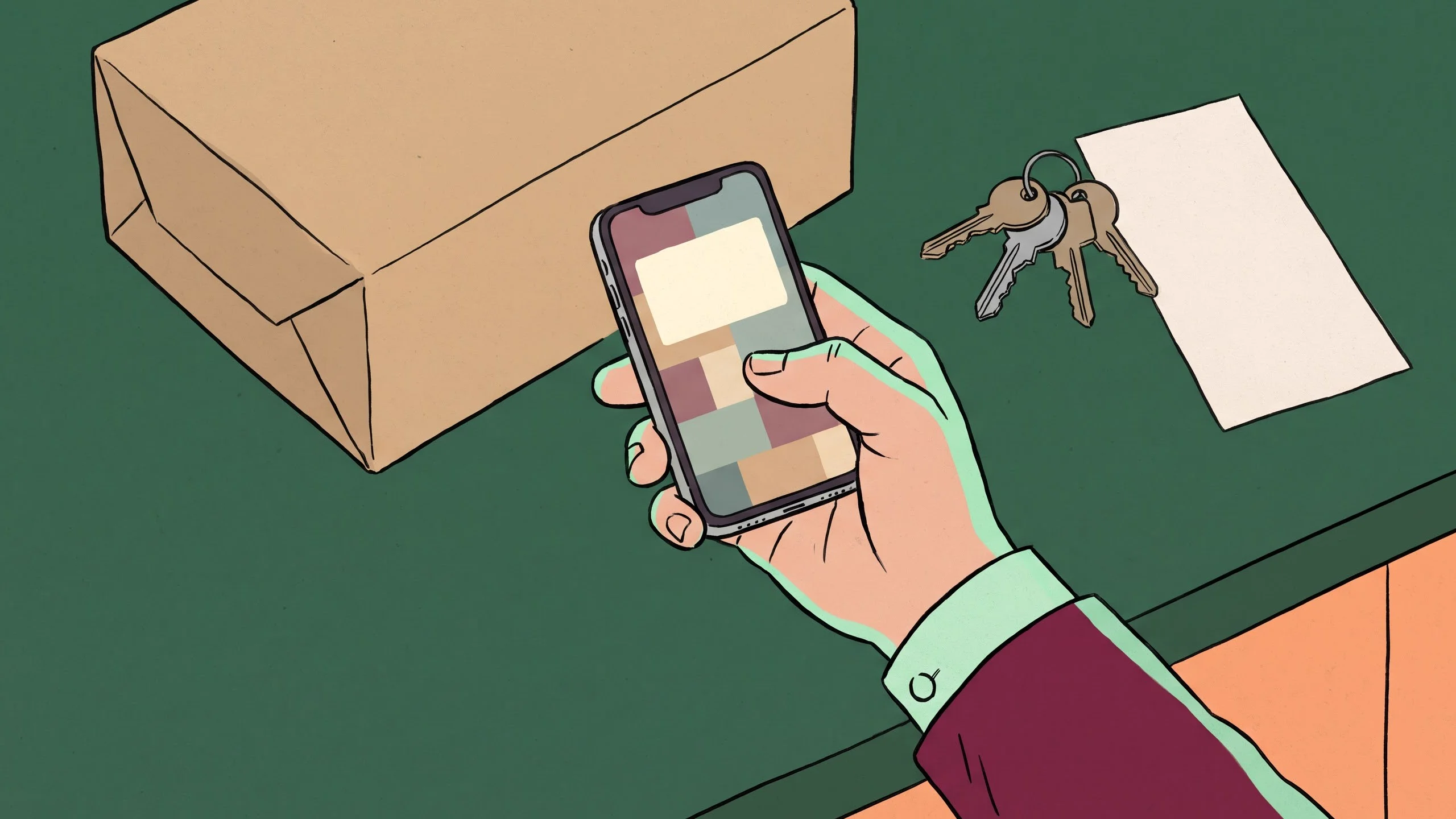
Check where the order might show up
Lovehoney describes its outer packaging as plain. Ann Summers also says it uses unbranded packaging. If you need more privacy than a plain box offers, work through the places where the order could appear. Our UK retailer comparison has links to the retailers’ policies.
| Where | What to verify |
|---|---|
| Parcel exterior | Ask about the outer wrap, the shipping label and any sender or return name. |
| Order and tracking messages | Check which email address or phone number gets updates and who can see them. |
| Payment record | Ask which merchant name can appear for the payment method you're using. |
| Handoff | Check who can receive or collect it and what happens if you miss the courier. |
Question the part that’s uncertain. For example, “What sender name appears on the parcel for this delivery option?” is more specific than “Is it discreet?” If you use a shared email address or a payment method someone else can see, check those details too. A seller may be able to explain its own notifications and billing description. Ask the carrier about controls that belong to its tracking service.
If you’re buying through a marketplace, find the seller named at checkout and check that seller’s packaging and delivery terms. A marketplace can list the same item from different sellers. Save the policy that applies to the actual order if it affects your choice.
Look at the contact details before you confirm the order. Someone who checks a shared inbox may see a product name in a confirmation even when the parcel has a plain exterior. A delivery text may be useful if you’re collecting, so choose contact details you can access when you get there. Check where the retailer will send receipts, and keep them somewhere you can find without relying on another person to forward them.
Read the return terms before opening the seal
For many online purchases from a business, UK rules allow you to tell the seller you want to cancel within 14 days of receiving the goods. You normally have another 14 days to send the goods back after notifying the seller. Check eligibility. A hygiene exception can apply when certain sealed goods are opened after delivery and are unsuitable for return on health or hygiene grounds.
Look for the relevant product seal when the parcel arrives. If the carton says a different model or colour, take a picture of the label and check it against the order before you open the inner package. Contact the seller if the details differ. The courier’s label can help identify the shipment, while the label on the product gives the seller information about what was actually inside.
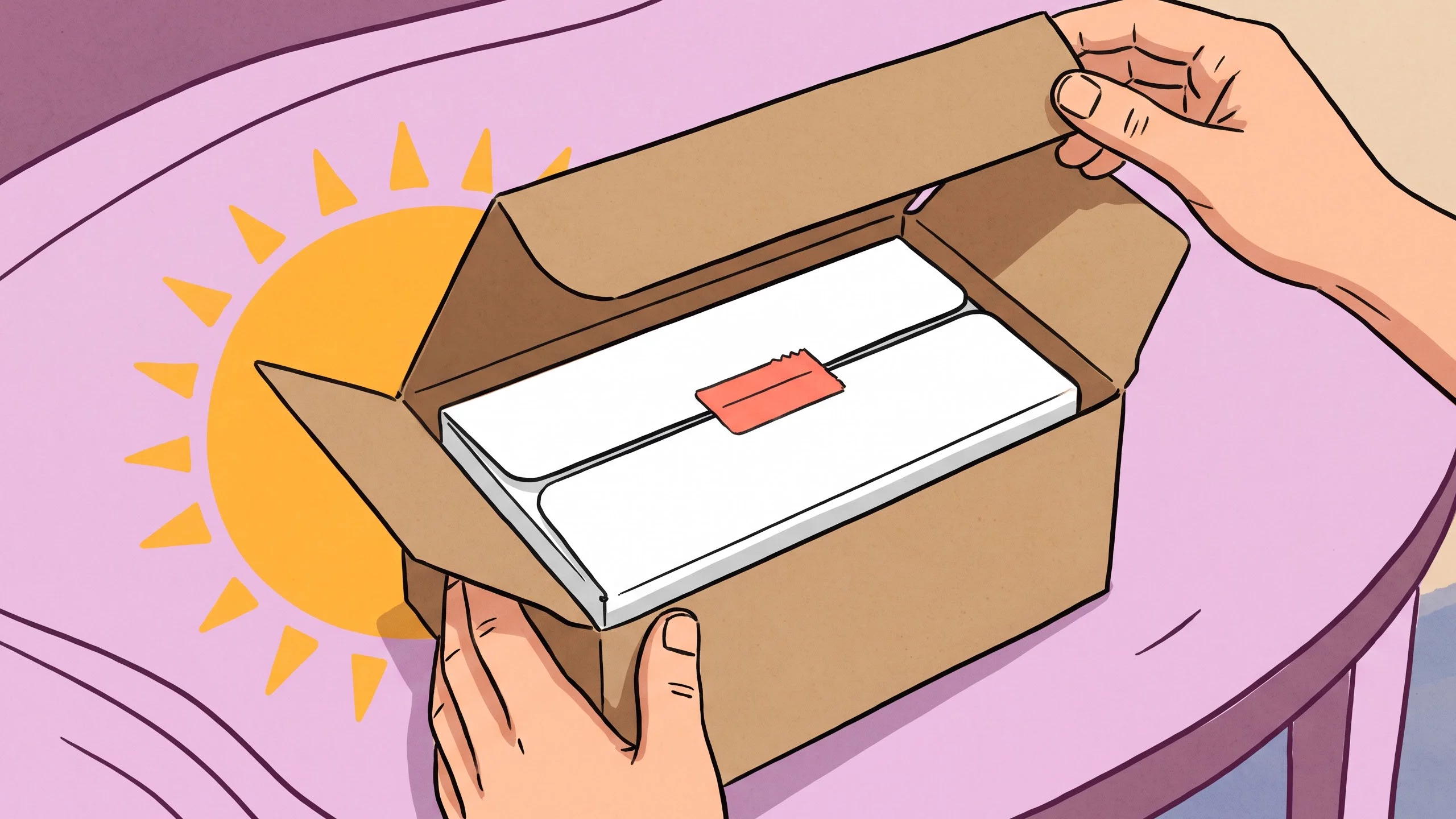
Faulty goods and goods that arrive damaged or differ from their description are covered by separate statutory rights. Explain the problem when you contact the seller so it can deal with the right type of return. Retailer guarantees and extra change-of-mind offers can have their own terms. Read those alongside the UK guidance for the situation you are in.
Check postage in both directions. GOV.UK says a refund for an eligible cancellation covers the standard outbound delivery charge if you paid one. If you paid for a faster service, the seller only has to refund the standard amount. Return postage is a separate question. Find out who pays for the return in your situation and whether the seller provides a label. Use the address or method the seller gives for returns. The address on the original parcel may belong to a warehouse that handles dispatch.
Try a checkout or return scenario
I need the order by a particular day
Check the delivery date for your chosen postcode and service. Save the order page if the seller agrees to deliver by a fixed date. Check whether the date applies to every item in the basket.
I want to collect the parcel myself
Look for collection at checkout. Check the pickup hours, the deadline and what you need to collect it. Make sure you can access the phone or email that receives any collection code.
I think the seller sent the wrong item
Keep the inner seal intact if you can. Compare the model number and colour on the carton with your order and send the seller a short description of the mismatch. Ask how it wants you to return it.
Contact the seller about a missing or late parcel
Start with the seller named on your receipt, even if you first noticed the issue in a courier app. Give the order number, the date you expected delivery and the latest tracking entry. If tracking says delivered, check any photo or note about the handoff and tell the seller which places you’ve already checked. See what the seller needs to investigate before sending the same message to several places.
If you agreed a fixed delivery date, share the order confirmation or conversation that records it. The Competition and Markets Authority explains the delivery responsibilities for online sellers in its guide. Keep the order messages until the issue is resolved. For a return, use the seller’s current instructions so it can match the parcel to your order. Check who pays the postage for that kind of return, and keep the receipt if you send it yourself.
Save the parts of the order you may need again
Keep the confirmation and any emails that explain the item, delivery method or a promise the seller made. One note with the model, seller, expected date and total is enough to find the rest later. If you need to contact support, use the order number and a short account of what happened.
If you receive the item you ordered and plan to keep it, save the manual before you discard the box. The cleaning and storage guide shows what to check before you first clean or charge it.
Quick check
A shop says its parcels are plain. You are also worried about privacy on a shared bank account. What would you check?
Ask what payment description may appear
The packaging and the payment description are separate. Ask the seller for the wording before paying if it matters to you.
Assume the same promise applies to the bank statement
Plain packaging describes the parcel. Ask separately about the payment record or any notifications you share.