On this page
The short answer
Choose a prostate massager with an **unmistakable flared or T-bar base** that is significantly wider than the internal shaft to eliminate internal retention risk completely. Prioritize an **ergonomic anatomical curve** (30° to 45° angle) that targets the anterior rectal wall, non-porous **100% body-safe platinum silicone** or medical-grade stainless steel, and strictly pair with a generous volume of **high-viscosity water-based lubricant**. If choosing vibration, select dual motors that stimulate both the internal prostate gland and the external perineum simultaneously.
Flingzoe verdict
Retailer options
Highlights
- Flared retrieval bases provide complete physical security against internal slip or muscular migration
- Dual-motor engineering stimulates internal P-spot neural tissue and external perineum simultaneously
- Seamless platinum-cured silicone is non-porous, hypoallergenic, and simple to sanitize
- Wireless and app-enabled remotes allow effortless, posture-free intensity adjustments
Trade-offs to consider
- Premium dual-motor devices represent a higher initial price point ($119–$199 / £99–£169)
- Strictly incompatible with silicone lubricants, requiring dedicated high-viscosity water-based formulas
- Requires unhurried pelvic floor relaxation and generous lubrication; cannot be rushed
Checklist
- Verify an unmistakable flared retrieval base or T-bar that prevents over-insertion.
- Match the internal curvature (30° to 45°) to anterior rectal anatomy without excessive insertion depth.
- Confirm non-porous materials: 100% platinum-cured medical-grade silicone or surgical steel.
- Select single internal motors vs dual internal/perineal stimulation.
- Audit controls: physical buttons vs remote controls vs smartphone app connectivity.
- Pair exclusively with high-viscosity water-based lubricant to protect silicone and mucous membranes.
Prostate massage—often described as stimulating the male “P-spot”—offers some of the deepest, most intense full-body orgasms available to individuals with male anatomy. Beyond pleasure, gentle prostate stimulation promotes localized pelvic circulation and fluid drainage.
However, shopping for your first prostate massager carries a strict set of anatomical and safety rules. The rectum is a delicate muscular environment that requires specific design engineering: a toy designed for vaginal or clitoral use must never be used anally.
Choosing the right prostate massager requires understanding internal pelvic angles, mechanical flared bases, motor rumble frequencies, and non-porous material hygiene.
Here is an objective, medically grounded buyer’s guide to help you choose a safe, comfortable, and anatomically effective prostate massager.

1. Prostate Anatomy: Locating the Target
Before evaluating product shapes, you need to understand where the prostate gland sits and what type of pressure it responds to:
- Location: The prostate is a walnut-sized, muscular gland located approximately 5 cm to 7 cm (2 to 3 inches) inside the rectum. It sits on the anterior (front) wall, facing forward toward the base of the penis and bladder.
- Access Angle: Because the gland rests along the front wall, straight cylinders or long dildos are completely ineffective. A prostate massager requires an upward curve of 30° to 45° to hook forward and rest against the gland without forcing tissue sideways.
- Sensation Profile: The prostate is rich in autonomic nerve endings connected directly to the pelvic nerve plexus. Unlike clitoral or penile glans stimulation—which thrives on rapid surface friction—the prostate responds best to broad, sustained pressure and low-frequency rumble vibrations (under 75 Hz). Sharp, buzzy surface vibrations often cause pelvic tension rather than arousal.
2. The Non-Negotiable Safety Rule: Flared Bases
If there is only one technical rule you remember from this guide, let it be this: never insert any object into the rectum that does not possess an unmistakable, rigid flared base.
The anal canal is controlled by two ring-shaped muscle groups: the internal anal sphincter (involuntary smooth muscle) and the external anal sphincter (voluntary skeletal muscle). Once an inserted object passes past both sphincters into the rectal vault, the surrounding muscular walls create a natural vacuum suction through peristalsis.
If a toy has a straight handle, a narrow knob, or a thin retrieval cord, the sphincter muscles will pull the device completely inside. There is no physical barrier to stop it from migrating further into the colon, turning an intimate evening into an emergency room retrieval procedure.
When auditing a prostate massager, verify the following base criteria:
- Width: The flared base must measure at least 1.5 to 2 times wider than the thickest part of the internal shaft.
- Rigidity: The base should feature a rigid internal core. Soft, floppy rubber flares can fold under sphincter tension and slide through.
- Anchor Shape: Look for wide T-bar wings, broad ergonomic rings, or external perineal pads (like those on the LELO Hugo 2 and We-Vibe Vector) that sit flush against the perineum.
3. Shaft Dimensions: Width, Length & Angle
Beginners often assume that larger toys produce stronger sensations. In prostate play, the opposite is true: excessive girth and insertion depth trigger defensive pelvic cramping, closing off access to the gland.
| Dimension | Recommended Beginner Range | Advanced Range | Why It Matters |
|---|---|---|---|
| Max Girth (Diameter) | 2.5 cm to 3.2 cm (1.0 to 1.25 in) | 3.5 cm to 4.2 cm (1.4 to 1.65 in) | Slimmer shafts allow sphincter muscles to fully relax without aching fatigue |
| Insertable Length | 7.5 cm to 10 cm (3.0 to 4.0 in) | 10 cm to 12.5 cm (4.0 to 5.0 in) | The prostate sits just 5 to 7 cm inside; longer shafts bypass the gland completely |
| Anatomical Angle | 30° to 45° upward curve | Adjustable hinge | Directs pressure cleanly forward against the anterior wall without manual tilting |
| Tip Profile | Rounded, tapered bulb | Textured or ribbed crest | Smooth bulbous tips glide past sphincters comfortably and apply broad focal contact |
4. Vibration Dynamics: Vibrating vs Non-Vibrating
Prostate massagers fall into two distinct mechanical categories: motorized vibrating massagers and static ergonomic rockers.
Option A: Motorized Vibrating Massagers (e.g. LELO Hugo 2, We-Vibe Vector)
- How they work: Built-in micro-motors deliver rhythmic oscillation directly into the prostate gland.
- Dual stimulation: Flagship models feature two independent motors—one in the internal tip targeting the prostate, and a second in the flared base targeting the perineum (the nerve-dense tissue between the scrotum and anus). Stimulating both zones simultaneously triggers intense involuntary pelvic contractions (for non-insertable perineal techniques, see our guide to external prostate massage).
- Remote & App Controls: Reaching behind your hips to press buttons can strain your shoulders and break your concentration. Wireless remotes or smartphone apps let you adjust intensities hands-free or hand control over to a partner.
Option B: Non-Vibrating Ergonomic Rockers (e.g. Aneros Helix Syn, nJoy Pure Wand)
- How they work: These devices have no motors, batteries, or cords. They rely on biomechanical leverage.
- Pelvic muscle engagement: As you contract and relax your pelvic floor muscles (the PC muscles used to stop urination), the flared base pivots against the perineum. This motion rocks the internal tip back and forth directly across the prostate.
- Hands-free hands-off pleasure: Many users prefer rockers because they allow completely hands-free sessions during masturbation or penetrative sex.
- Zero noise: Completely whisper-silent, eliminating any discretion concerns in shared living spaces.
5. Body-Safe Materials: Silicone vs Steel
Because the rectal lining is a single-cell mucous membrane that readily absorbs chemical compounds, material purity is critical.
- 100% Platinum-Cured Silicone: The gold standard for flexible massagers. Silicone is non-porous, hypoallergenic, odorless, and rapidly warms to body temperature. Look for seamless molded construction without mold seams or glued joints that could trap bacteria.
- Medical-Grade Stainless Steel (316L): Completely non-porous, perfectly smooth, and substantial in weight. Metal toys provide firm, unyielding pressure and can be temperature-played (warmed in warm water or chilled in cold water).
- Materials to Strictly Avoid: Never buy prostate toys made from jelly rubber, TPR, PVC, or vinyl. These porous materials leach harmful phthalate plasticizers, cannot be sterilized, and harbor bacterial colonies within microscopic surface fissures.
6. Lubricant Selection: Protecting Tissue and Toy
The rectum has zero natural lubrication glands. Introducing dry silicone or metal against dry rectal mucous membranes causes friction burns and micro-fissures that increase the risk of infection.
Follow these strict lubrication rules:
- Strictly Water-Based: If your prostate massager is made of silicone, you must use a high-viscosity, water-based lubricant. Silicone-based lubricants will dissolve and melt the silicone surface of your toy, creating a pitted, sticky, ruined mess.
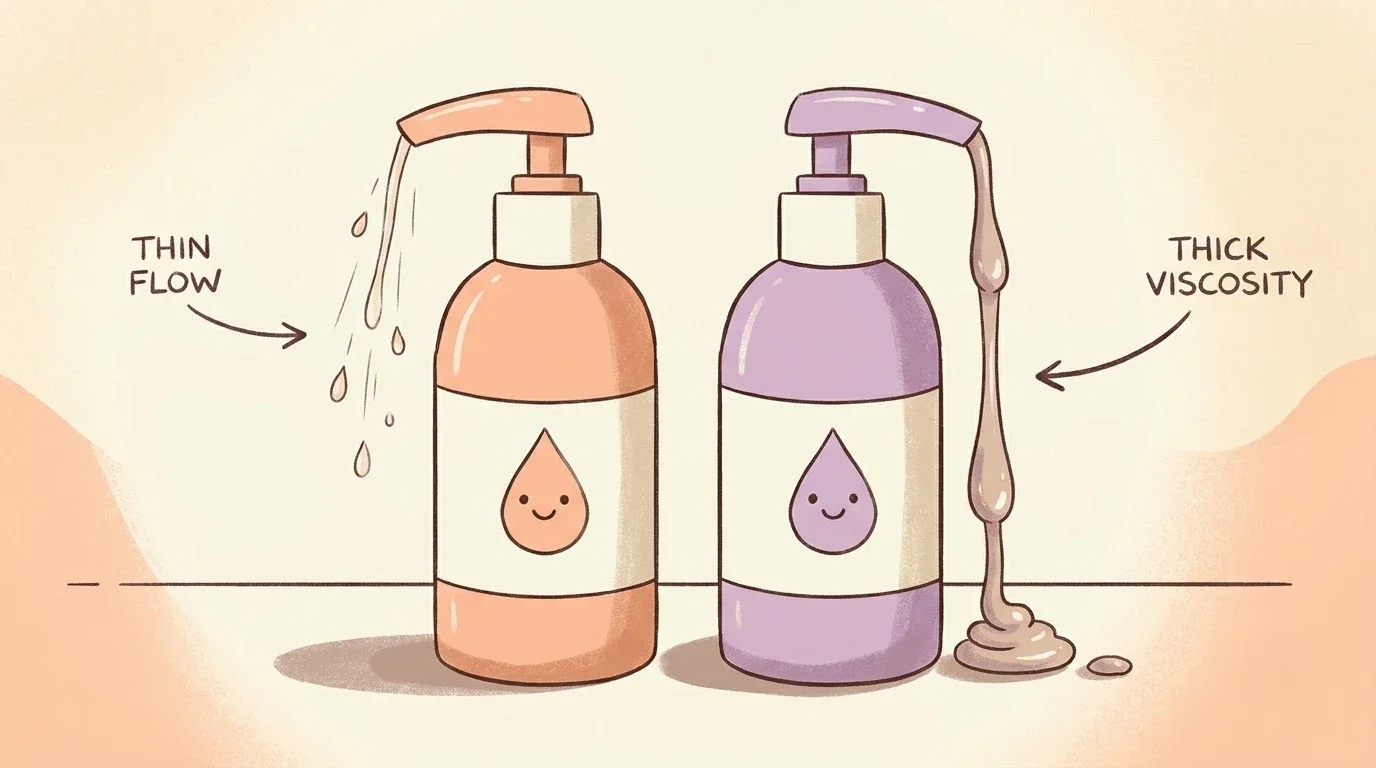
- Choose Thick Formulas: Standard thin water-based lubes dry out and absorb into tissue within minutes. Look for thicker, gel-based water formulas containing vegetable glycerin, hydroxyethylcellulose, or natural plant celluloses that maintain lubricity under friction.
- Double Application: Apply lubricant generously to both the massager and the anal opening. Inserting an unlubricated tip is the most common reason beginners experience pain.
7. Step-by-Step Starter Protocol for First-Time Users
Prostate stimulation should never be rushed. Follow this structured checklist for a relaxed, comfortable first session:
- Prepare Your Environment: Empty your bowels beforehand and take a warm shower or bath to relax the pelvic floor musculature.
- Find a Comfortable Position: Lie on your back with knees bent and feet flat on the mattress, or lie on your left side with knees drawn toward your chest.
- External Exploration First: Apply a generous dollop of water-based lubricant to the perineum and anus. Use a lubricated finger to massage the outer sphincter rings first until the muscles soften and accept gentle touch.
- Slow, Exhale Insertion: Place the rounded tip of the massager against the opening. Take a deep diaphragmatic breath in, and as you slowly exhale, gently ease the tip through the sphincter. Never force or push against sudden resistance.
- Rest and Acclimate: Once the shaft enters the rectal vault and the flared base rests against the perineum, pause completely for one to two minutes. Let your muscles adjust to the presence of the device.
- Engage the Prostate: If using a motorized massager, turn the vibrations on to the lowest continuous frequency. If using a rocker, practice gentle Kegel squeezes to feel the internal tip roll forward against the anterior wall.
- Combine With Penile Touch: Prostate stimulation enhances penile sensation. Stroking yourself while the massager applies gentle internal pressure will help guide arousal toward a full pelvic climax.
8. Buyer’s Decision Summary
| Feature | Entry-Level Vibrating Massager | Premium Dual-Motor (e.g. LELO Hugo 2 / We-Vibe Vector) | Biomechanical Rocker (e.g. Aneros Helix Syn) |
|---|---|---|---|
| Ideal For | Curious beginners on a budget | Users seeking maximum sensory depth & dual stimulation | Hands-free pelvic training & zero acoustic noise |
| Price Point | $40 to $70 / £35 to £60 | $119 to $199 / £99 to £169 | $50 to $90 / £40 to £75 |
| Motors | Single internal motor | Dual independent internal & perineal motors | Zero motors (100% manual biomechanical) |
| Control Method | On-device handle buttons | Wireless remote control or smartphone app | Hands-free pelvic muscle contractions |
| Material | Body-safe silicone | Medical-grade platinum silicone | Non-porous silicone or acetal resin |
| Waterproof | Splashproof to IPX7 | 100% IPX7 submersible | 100% waterproof (no electronics) |
| Maintenance | Wash with warm water & antibacterial soap | Wash with warm water & antibacterial soap | Dishwasher-safe or hot water sanitize |
Quick check
What is the single most critical structural safety feature required on any prostate massager?
A pronounced, rigid flared base or T-bar that remains entirely external and prevents internal migration past the anal sphincter.
Correct. The rectum naturally draws inserted objects inward through peristaltic contractions; a wide, unmistakable flared base is medically mandatory to prevent toy retention.
A high-speed reciprocating motor that vibrates above 10,000 RPM.
Incorrect. Motor speed is a matter of personal preference; an external flared safety base is the only non-negotiable physical requirement for anorectal safety.