On this page
The short answer
To find the G-spot, ensure you or your partner are already sexually aroused, which engorges the vascular tissue. Insert one or two lubricated fingers about 2 to 3 inches into the vagina with your palm facing upwards toward the belly button. Press gently against the front (anterior) wall in a slow 'come-hither' curling motion. You will feel a slightly raised, textured, or spongy zone roughly the size of a walnut, which responds with deep, radiating pelvic warmth.
Few topics in human intimacy have generated as much folklore, frustration, and myth-making as the G-spot.
In glossy magazines and sensationalist blogs, it is often portrayed as a magical, elusive button hidden deep inside the body—a hidden toggle switch that, if stumbled upon by sheer luck, produces instant, technicolor climaxes.
When reality fails to match the cinematic hype, people often feel broken or inadequate. Why can’t I feel it? Why does pressing there just make me feel like I need to pee? Does it even exist?
Take a deep breath and let go of the pressure. Modern sexual medicine has solved the mystery: the G-spot is not an isolated mythical organ or a stand-alone switch. It is the internal root network of the Clitourethrovaginal (CUV) complex—a rich, vascular bed of erectile tissue, nerve endings, and Skene’s glands nestled against the anterior vaginal wall.
When approached with patience, abundant lubrication, and anatomical precision, connecting with this erogenous zone unlocks a distinct, deeply grounded internal pleasure. Here is how to find it, feel it, and enjoy it without pressure.
TL;DR: The Exact Anatomical Coordinates
If you want a concise map of where to direct your touch:
- Depth: Approximately 2 to 3 inches (5 to 7.5 cm) past the vaginal opening—about the depth of your second knuckle.
- Direction: Along the anterior wall (the front ceiling of the vagina, pointing upwards toward the belly button and pubic bone).
- Texture: When aroused, it feels slightly firmer and textured like a ripe walnut or the ridged roof of your mouth, in contrast to the surrounding silky-smooth vaginal mucosa.
- Motion: Firm, slow, curling “come-hither” pressure rather than in-and-out piston friction.
Bedroom Myth-Busting: The ‘Magic Button’ Myth
🛑 Bedroom Myth-Busting: The Magic Button Myth
The Myth: "Every woman has a distinct G-spot button, and if you press it, she will instantly squirt or experience an overwhelming climax without any external touch."
The Reality: The G-spot is an anatomical *zone*, not a solitary button. For roughly 70% to 80% of vulva owners, internal anterior wall touch alone is insufficient for climax; it feels best when paired with simultaneous external clitoral glans stimulation (the famous 'dual stimulation' dynamic). Squirting (female ejaculation) is a natural physiological fluid release from the Skene's glands that some people experience, but it is not a required marker of pleasure or orgasm.
Anatomy 101: The Clitourethrovaginal Complex
To understand why this area responds to firm pressure, we have to look behind the vaginal wall:
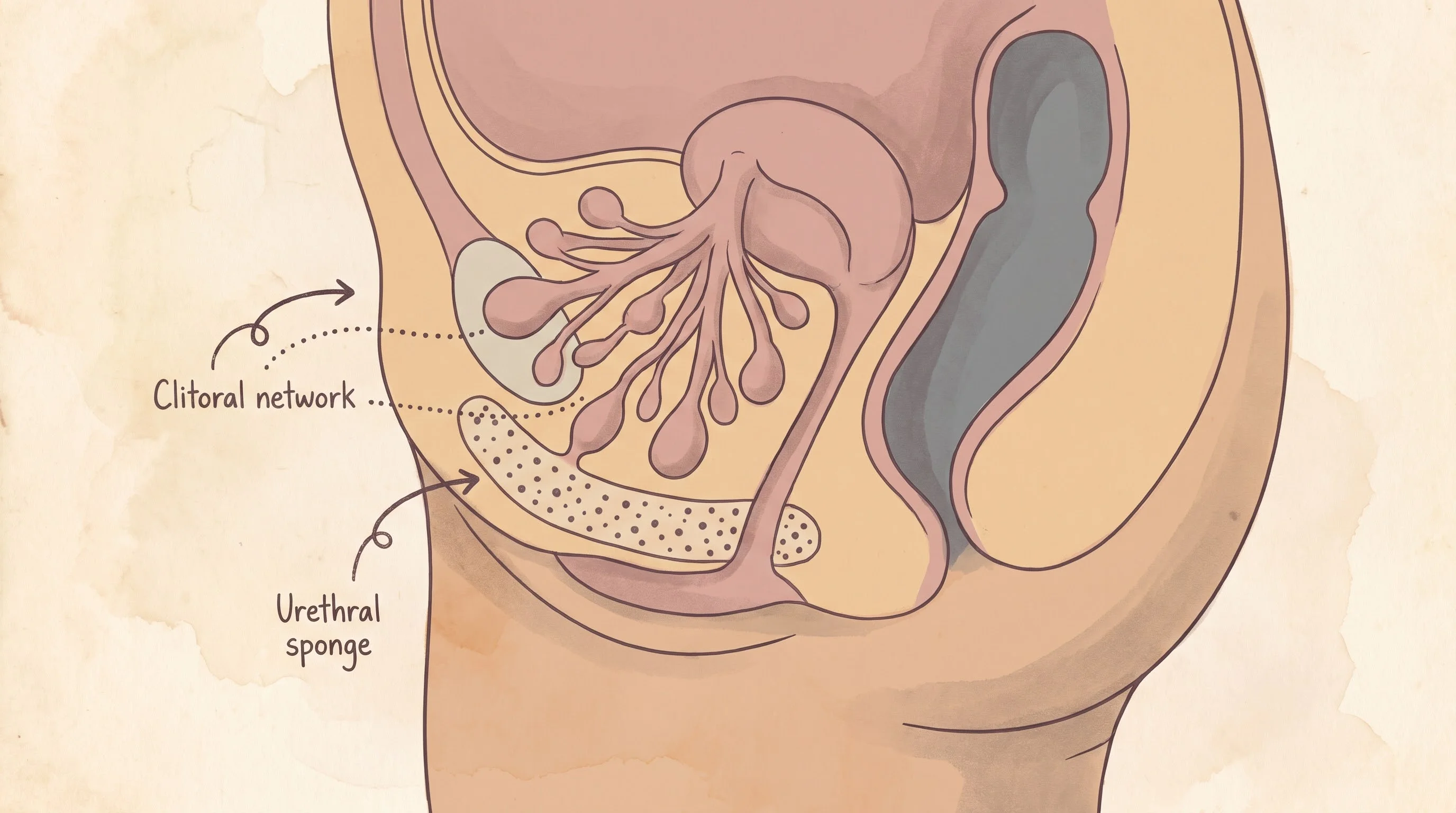
First named by German gynaecologist Ernst Gräfenberg in 1950, what we call the “G-spot” is actually the meeting point of three major structures:
- The Clitoral Crura & Bulbs: The internal ‘wishbone’ legs of the clitoris wrap around the vaginal canal, flanking the anterior wall.
- The Urethral Sponge: A cushion of erectile tissue surrounding the urethra that engorges with venous blood during arousal.
- The Skene’s Glands (Female Prostate): Small glandular structures that produce antimicrobial and prostatic-like secretions during sexual excitement.
Crucially, arousal is the gatekeeper. When unaroused, this vascular bed is flat, soft, and indistinct. When deeply aroused, blood engorges the spongy erectile tissue, making the G-spot swell, firm up, and become easily detectable by touch.
The 4-Step ‘Come-Hither’ Search Protocol
Follow this sexpert-approved method whether exploring solo or with a partner:
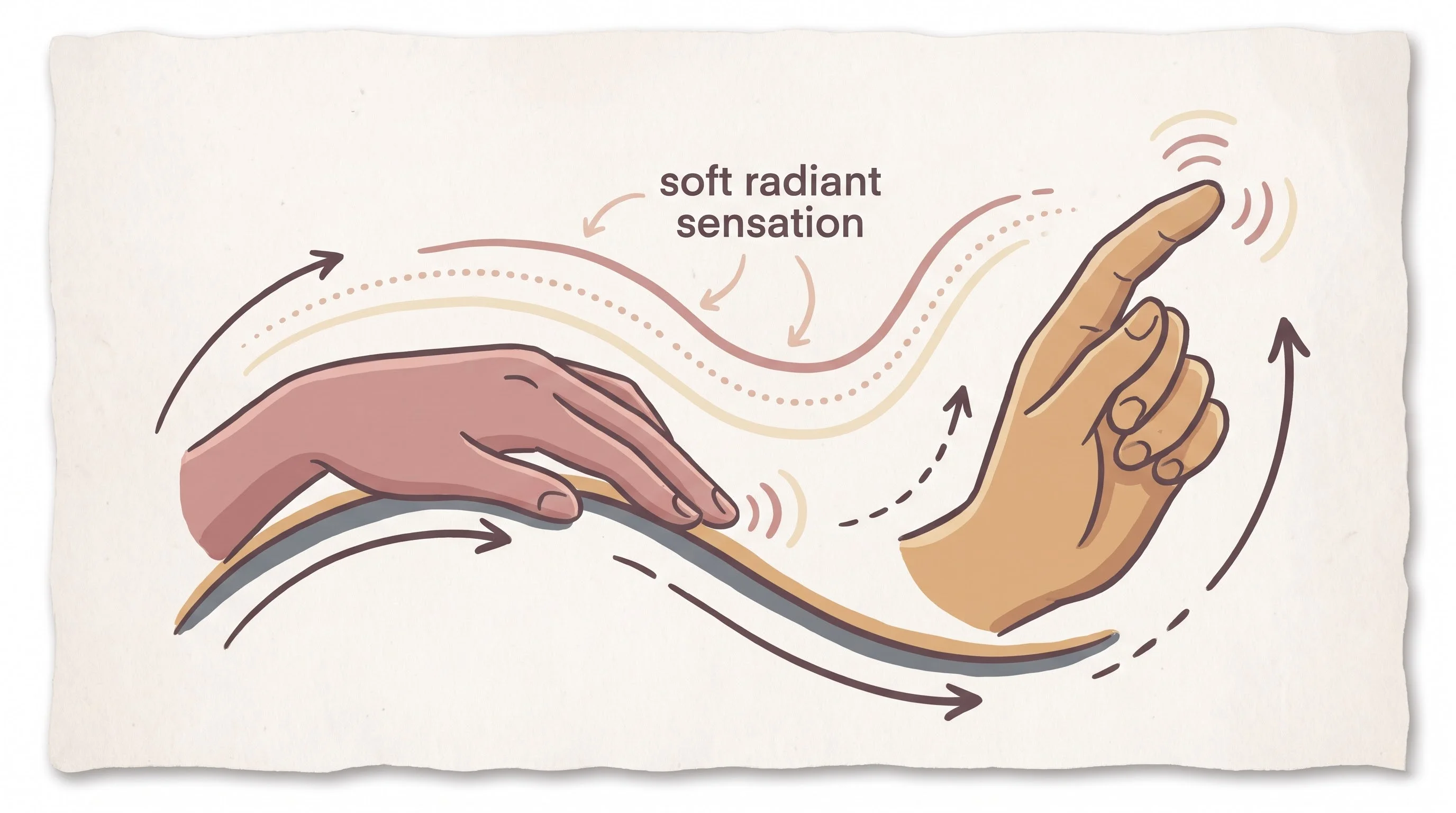
Step 1: Prime the System (10 Minutes of External Touch)
Do not start by searching inside immediately! Spend 10 to 15 minutes enjoying external clitoral touch, kissing, or whole-body foreplay. Waiting until the body is genuinely turned on allows the anterior sponge to engorge and expand.
Step 2: Lubricate & Enter
Coat two clean, short-trimmed fingers generously with high-viscosity water-based lubricant. Lie on your back with knees bent and feet flat on the bed. Ease your fingers into the vagina with your palm facing upwards toward your face.
Step 3: Curve & Beckon (‘Come Hither’)
Once your fingers are inserted to the middle knuckle, bend your fingertips upward toward your pubic bone in a slow, steady “come hither” beckoning motion.
Step 4: Map the Texture
Sweep your fingertip pads side-to-side across the ceiling of the canal. Look for an area that feels slightly raised, ridged, or spongier than the rest of the canal. Press with steady, broad upward pressure rather than sharp fingernail prodding.
The ‘Need to Pee’ Hurdle (And How to Clear It)
The single most common stumbling block during G-spot exploration is this sudden thought: “Wait! Stop! I need to use the toilet right now!”
Because the urethral sponge lies directly beneath the anterior wall, pressing on it mechanically compresses the urethra and bladder neck. Your brain interprets this localized pressure as bladder fullness.
How to Overcome It:
- Empty Your Bladder First: Always visit the restroom right before your session so you know with absolute intellectual certainty that your bladder is empty.
- Breathe & Lean In: When the urge strikes, take three slow, long exhales and maintain steady pressure for 15 seconds. In almost all cases, the urinary sensation abruptly melts away, revealing deep, radiating pelvic pleasure.
Best Tools: Curved Massagers & G-Spot Wands
While fingers are wonderfully versatile, wrists can get tired. Purpose-built G-spot toys take the physical strain out of anterior stimulation:
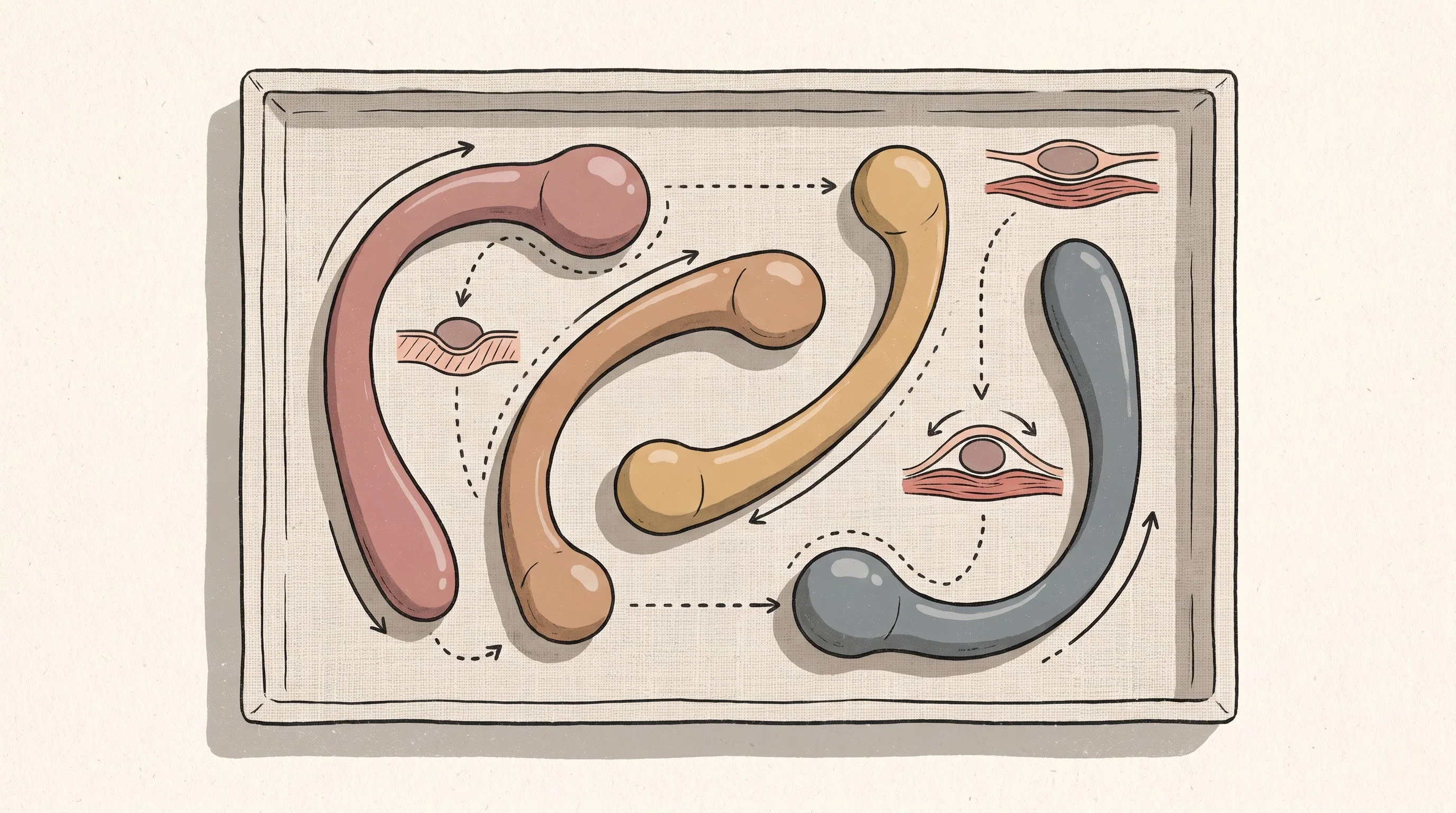
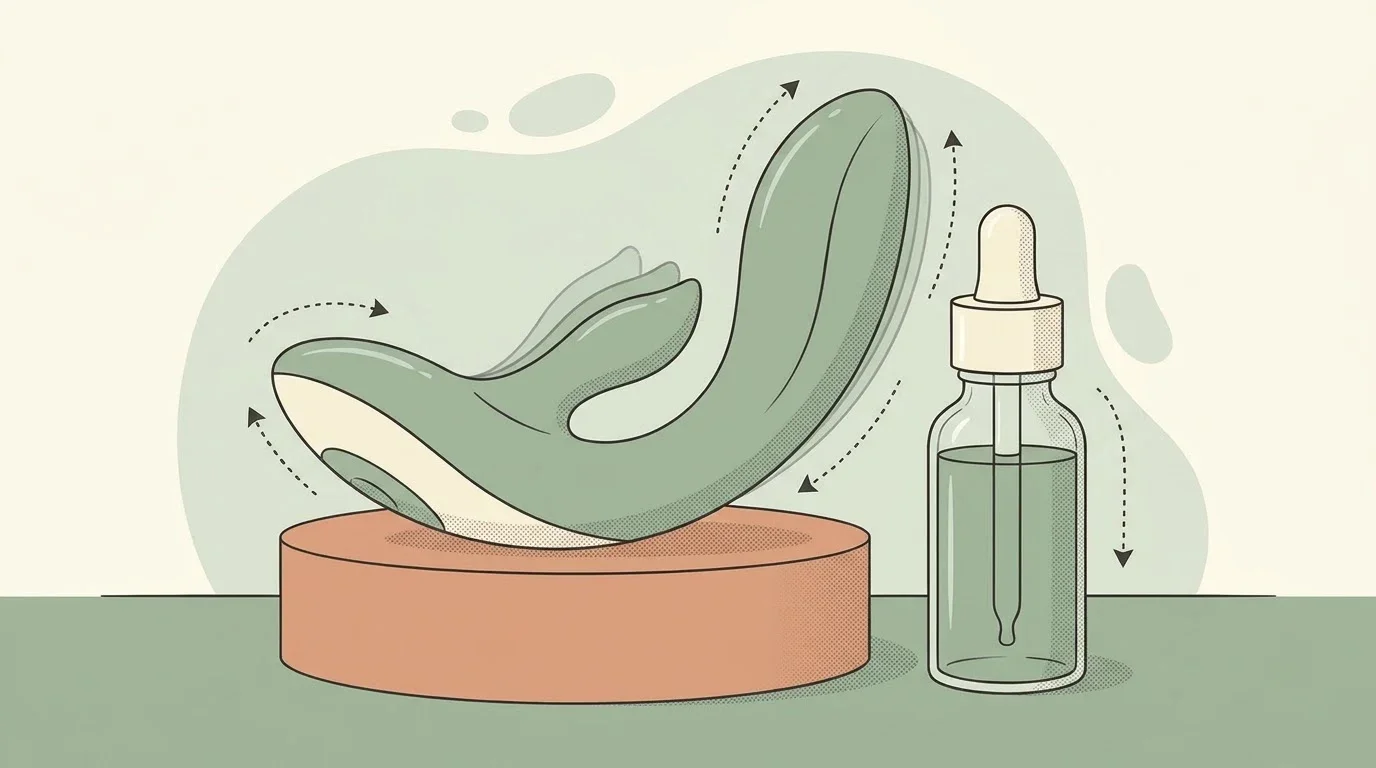
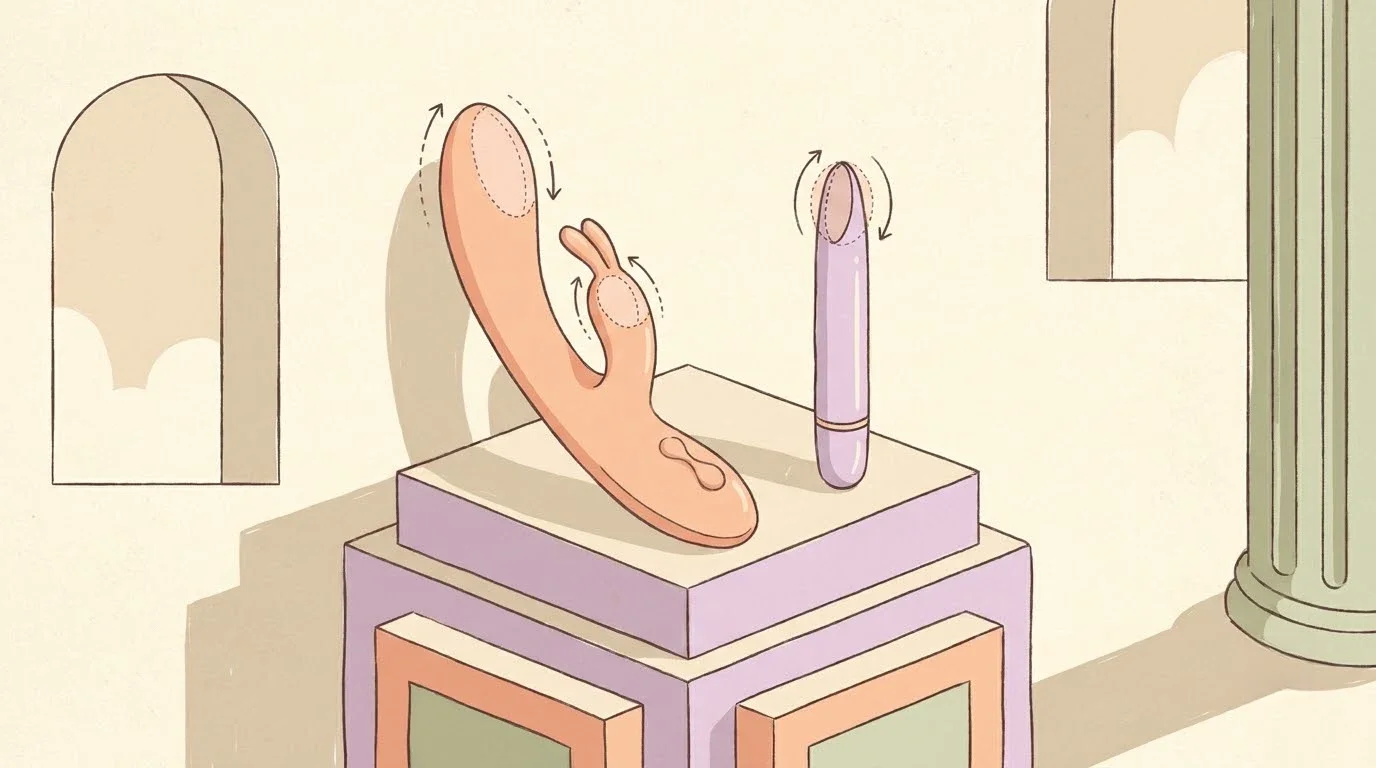
- Curved Silicone Wands: Toys with a distinct 30-degree ergonomic bend and an enlarged bulbous head effortlessly direct motor rumble against the anterior wall.
- Dual-Stimulation ‘Rabbit’ Toys: These provide steady, rhythmic G-spot pressure internally while a flexible external arm vibrates directly against the clitoral glans.
- Firm Glass or Metal Probes: Non-vibrating, rigid glass wands allow precise, firm manual leverage that transmits temperature and pressure without absorbing energy into soft silicone.
💡 Tap to Reveal: The Pillow Elevation Secret
Place a firm pillow or wedge cushion under your lower hips before exploring. Tilting the pelvis upwards changes the anatomical angle of the vaginal canal, making the anterior wall substantially easier to reach for both fingers and curved toys.
Interactive Check: What Sensation Do You Seek?
What is your primary goal during G-spot exploration? Tap your preference:
Related Guides & Further Reading
Quick check
Why does initial pressure against the G-spot frequently produce a sudden, mild sensation of needing to urinate?
The G-spot directly overlays the urethral sponge and bladder neck; gentle pressure stimulates shared nerve pathways before transforming into deep sexual pleasure
Spot on! The anterior vaginal wall shares vascular and neural networks with the periurethral sponge; taking a deep breath and leaning into the sensation unlocks intense arousal.
Direct touch against the anterior wall causes the bladder sphincter to involuntarily relax
The sensation is a neural sensory echo from shared nerve pathways, not physical bladder incontinence.