On this page
The short answer
A good handjob comes down to three things: lube, communication and rhythm. Use plenty of water-based lube, ask your partner what pressure and speed they like, and pay attention to the underside where the head meets the shaft, which many people find most sensitive. When they get close to orgasm, keep doing what's working rather than changing it.
Handjobs often get treated as something quick or second-best. They don’t have to be. Your hands can vary pressure, speed and grip in ways that are hard to match, and they let you pay attention to exactly what your partner likes.
This guide covers the basics: talking about it, using lube, where touch tends to feel good, strokes to try, and keeping a good rhythm.
The short version
- Ask and listen. Pressure, speed and grip preferences vary a lot. Ask what feels good, and watch how your partner reacts.
- Use lube. Water-based lube makes it smoother and more comfortable for both of you.
- Don’t forget the underside. Many people find the area where the head meets the shaft most sensitive.
- Use both hands. One can stroke while the other touches somewhere else.
- Keep it steady near the end. When your partner is close, keep doing what’s working.
Start with a conversation
Everyone likes something different. Some people want a firm grip; others want a light touch. A simple question helps: “Firmer or softer?” or “Faster or slower?” Watch your partner’s breathing and body, and check in again if you change what you’re doing. Either of you can stop at any point.
Use lube
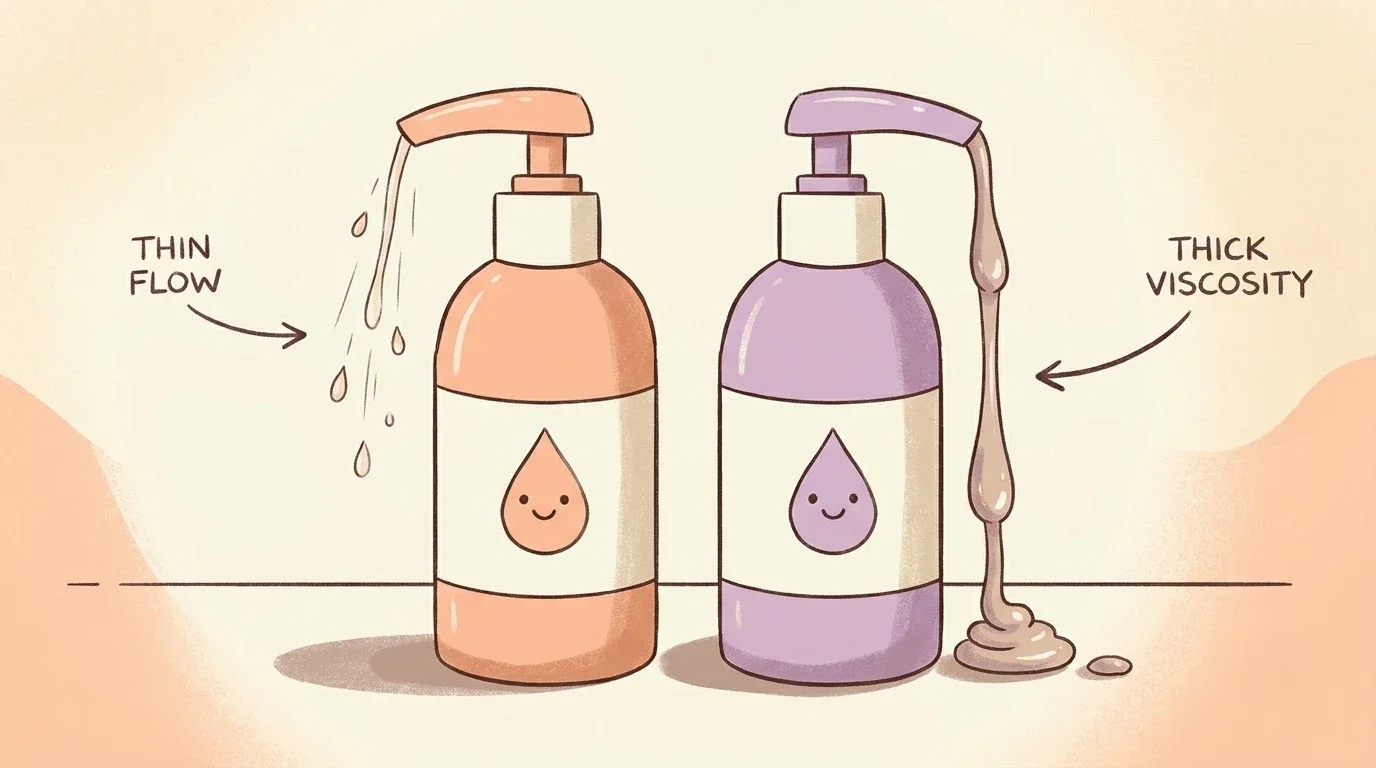
Dry friction can rub the skin and become uncomfortable quickly. A water-based lube is a good default: it’s easy to wash off, safe with condoms and works with any toy. Warm a little between your hands before you start, and add more when it dries out.
Some people prefer lotion or oil for handjobs. That’s fine on its own, but don’t use oil with latex condoms, and avoid silicone lube with silicone toys. See water-based vs silicone lube.
Myth vs reality: "A tight, dry grip is best"
The myth: Most people want a tight grip with no lube.
The reality: Some people do enjoy that, especially if it's how they masturbate. But dry friction can cause soreness. Ask what your partner likes, and offer lube.
Where touch tends to feel best
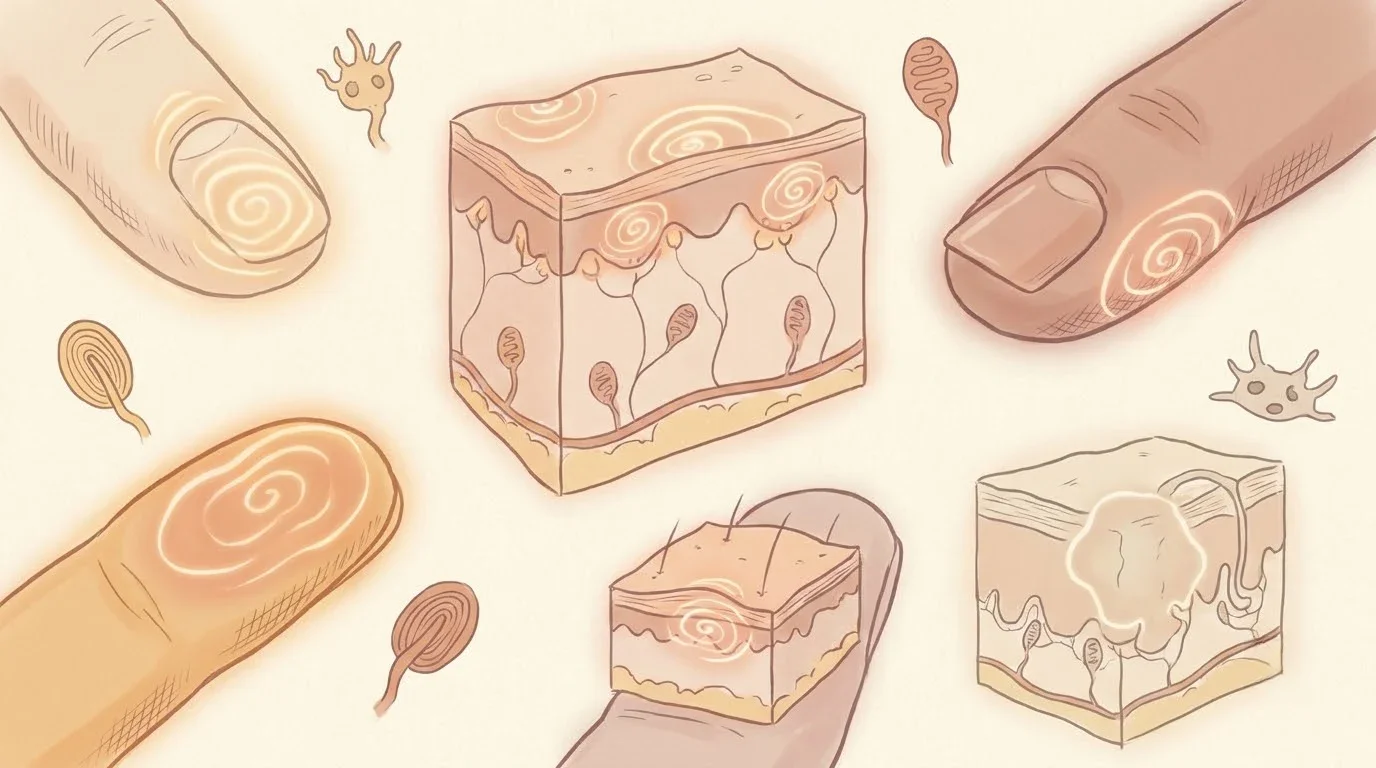
Everyone is different, but these areas come up again and again:
- The frenulum: the small band on the underside, just below the head. A study published in Andrology described the “frenular delta”, the triangular area here, as a key erogenous zone, and an earlier study found the frenulum among the most sensitive spots to light touch.
- The rim of the head (corona): the raised edge between the head and the shaft. Light circles here can feel good.
- The perineum: the area between the testicles and the anus. Some people enjoy gentle pressure here.
- The testicles: many enjoy them being held gently. Be careful; they’re sensitive to pressure.
Strokes to try
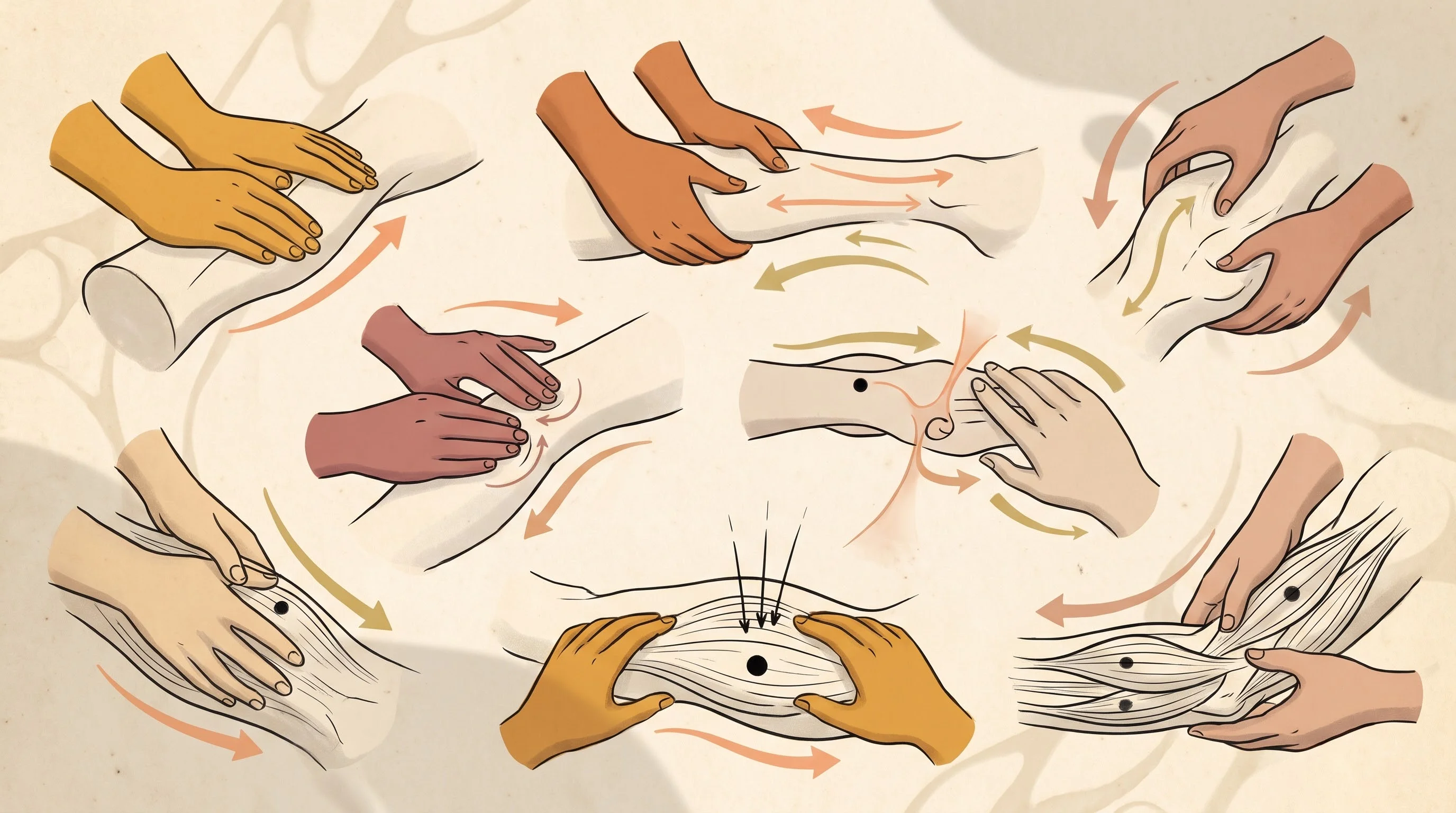
Mix these up, and ask which ones your partner likes:
Hand over hand
With lube on both hands, stroke upwards with one hand, then follow with the other, one after the other, so there’s continuous movement.
Twist
As your hand moves up towards the head, add a gentle twist of the wrist.
Thumb on the underside
Hold the shaft and use your thumb to make small, light circles on the frenulum area.
Palm over the head
Cup your palm over the head and gently rotate your wrist, with plenty of lube.
Use your other hand
You don’t need to leave your second hand doing nothing:
- Gently hold the testicles in rhythm with your strokes.
- Press lightly on the perineum if your partner enjoys it.
- Touch elsewhere: chest, thighs, neck. Being close and paying attention matters as much as technique.
Keep the rhythm near the end
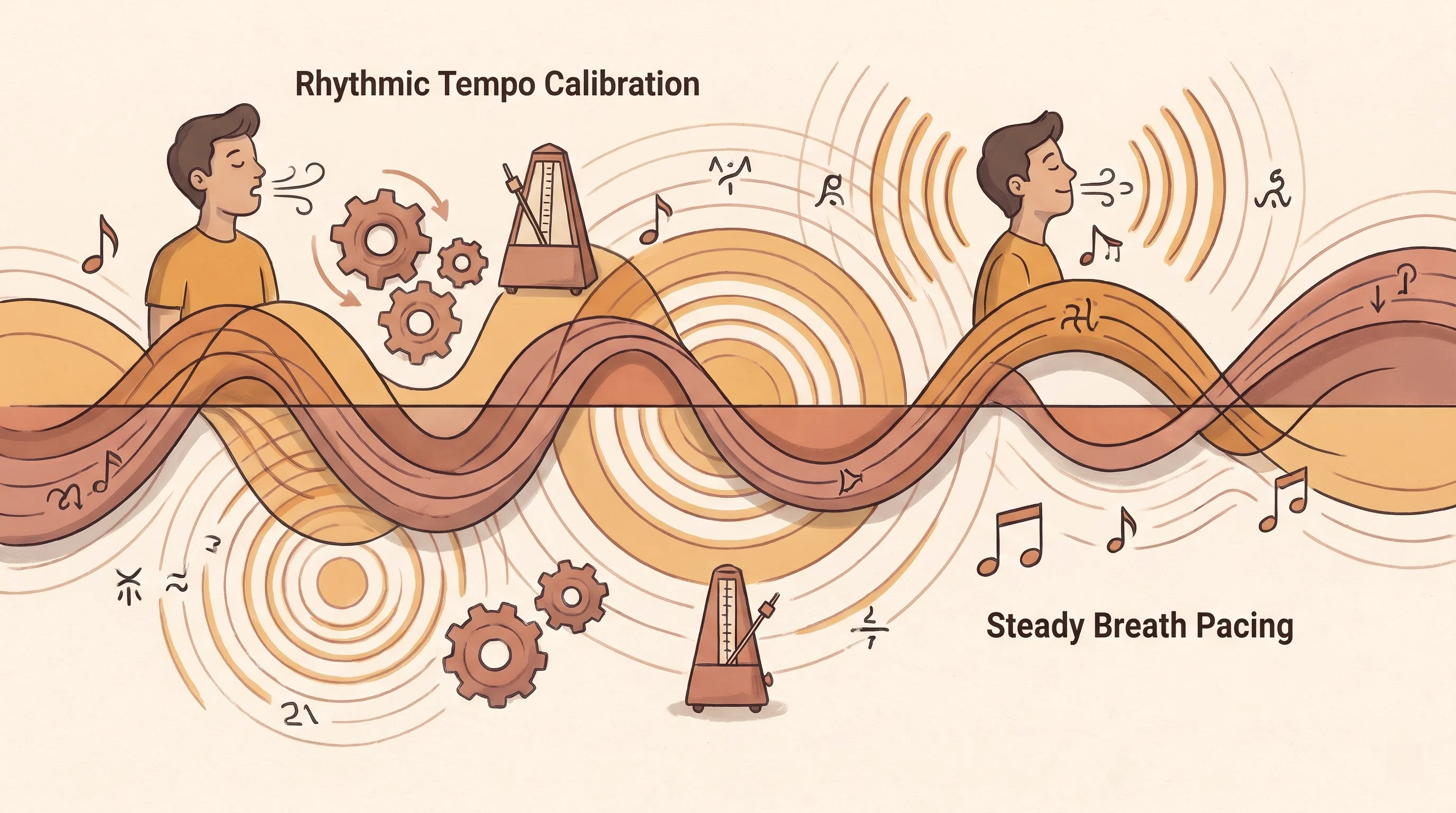
When your partner is close to orgasm, you’ll often notice faster breathing and their body tensing.
- Keep doing what’s working. Don’t suddenly change speed, grip or stroke.
- Keep it slippery. Add a little lube if it’s drying out.
- Slow right down afterwards. Many people become very sensitive straight after orgasm, so switch to a light, slow touch or stop, whichever they prefer.
Want to make it last longer? Read about edging.
What should you try first?
What do you want to work on? Pick the closest:
Related guides
Quick check
Where do many people with a penis find touch most sensitive?
The underside, where the head meets the shaft (the frenulum area).
That's right. Studies have found this area especially sensitive, but everyone is different, so ask.
Halfway down the shaft.
Not quite. The shaft often responds to firmer pressure, while the underside of the head tends to be more sensitive.