On this page
The short answer
No, you cannot safely use silicone lubricant with silicone sex toys. Because 'like dissolves like,' fluid siloxane molecules in the lubricant penetrate the cross-linked silicone elastomer, causing the surface to soften, swell, pit, and melt irreversibly. Even a single exposure leaves permanent sticky patches that harbor bacteria. For silicone toys, always choose a high-quality 100% water-based or organic aloe-based lubricant.
Silicone lubricant is widely regarded as the most luxurious intimate formulation available. It is ultra-slick, never dries out or becomes sticky during extended play, and remains completely waterproof in the shower or bath.
Naturally, many people assume that pairing a premium silicone lubricant with a premium medical-grade silicone vibrator or dildo is the ultimate combination.
In reality, it is the single fastest way to destroy an expensive intimate product.
Within minutes of direct physical contact, a fundamental rule of organic chemistry takes effect: like dissolves like.
Here is the straightforward scientific breakdown of what actually happens at a molecular level when silicone lube touches a silicone toy, how to recognize the early warning signs of surface damage, and the best body-safe alternatives to protect your health and your investment.
1. The Chemistry: Why “Like Dissolves Like”
To understand why silicone lube is destructive to silicone toys, you have to look at how both substances are constructed.
Both materials belong to the polysiloxane chemical family. They share the same underlying backbone of alternating silicon and oxygen atoms ($-\text{Si}-\text{O}-\text{Si}-$).
- The Toy (Solid Elastomer): A silicone toy is a high-molecular-weight thermoset rubber. During manufacturing (curing), individual polymer chains are chemically cross-linked together into a permanent, dense three-dimensional mesh. This gives the toy its firm, silky, non-porous structure.
- The Lubricant (Free Fluid Molecules): Silicone lubricants are composed of unbonded, free-floating siloxane fluid molecules—primarily dimethicone, cyclomethicone, or cyclopentasiloxane.
 Figure 1: Molecular diffusion: Low-viscosity siloxane fluid droplets penetrate into the cross-linked elastomer matrix, causing osmotic swelling and permanent bond breakdown.
When you coat a silicone toy in silicone lubricant, the free siloxane molecules in the liquid immediately recognize the identical chemical structure of the solid rubber.
Through a process known as polymer diffusion, the small fluid molecules squeeze into the spaces between the cross-linked silicone chains. The elastomer absorbs the liquid like a sponge, causing:
- Osmotic Swelling: The surface layer swells and expands unevenly.
- Chain Disruption: The chemical bonds holding the solid mesh together begin to soften and separate.
- Surface Liquefaction: The outer microscopic layer dissolves back into an uncured, gummy liquid state.
This is not a temporary surface reaction. It is an irreversible chemical breakdown.
2. What Does Silicone Lube Damage Actually Look Like?
Silicone degradation does not always cause a toy to melt like hot wax in a matter of seconds. In most cases, the damage progresses through three distinct, unmistakable stages:
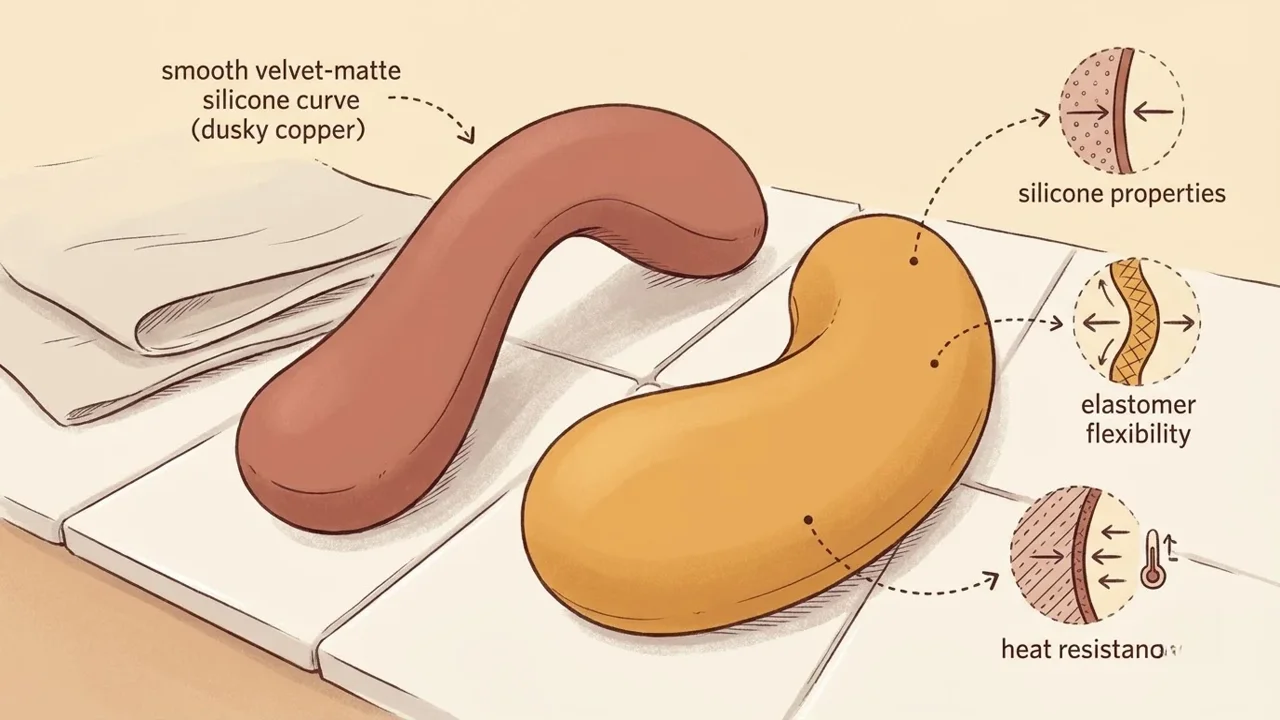
 Figure 2: Surface pathology: Pristine medical silicone features a uniform, velvet-matte finish; degraded silicone exhibits microscopic pitting, blisters, and permanent tackiness.
Stage 1: The “Permanent Tacky Feel”
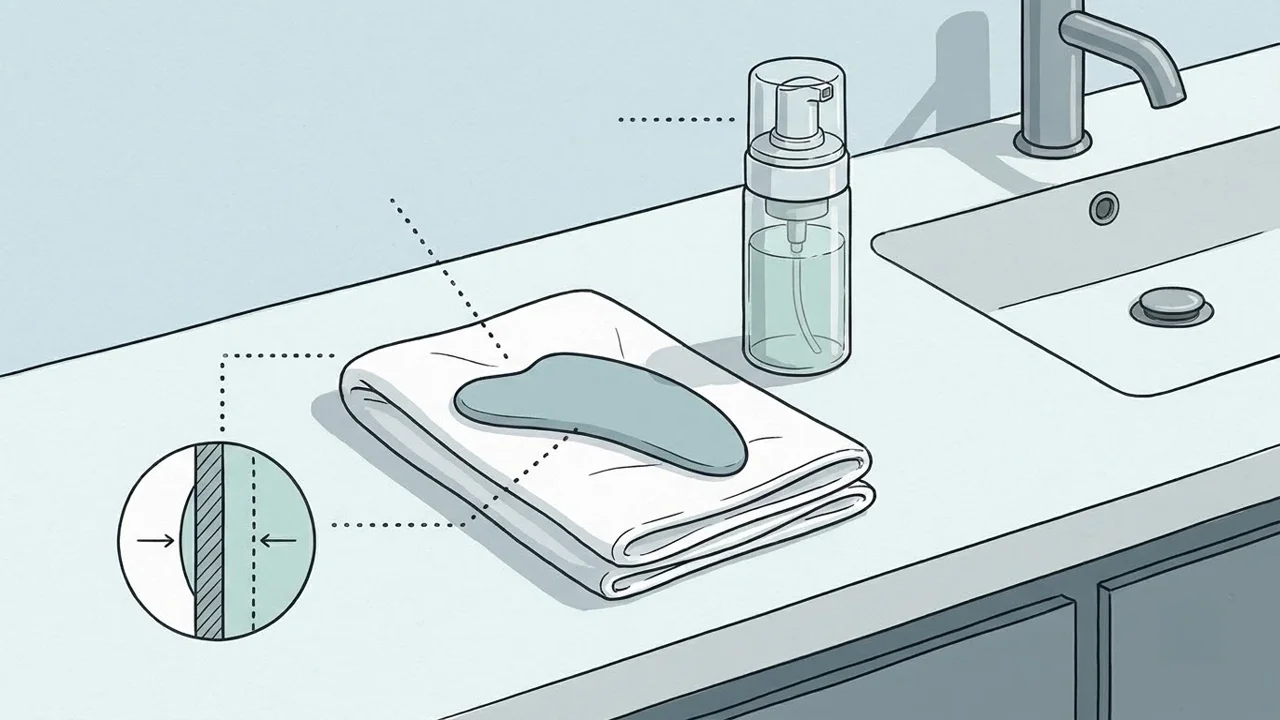
The earliest symptom appears within hours of contact. After you finish your session and wash the toy with warm water and soap, the surface feels uncomfortably sticky or tacky to the touch. No matter how many times you scrub it or let it air-dry, the sticky sensation remains because the dissolved polymer chains can no longer re-cure.
Stage 2: Blistering, Cloudiness & Pitting
Within days or weeks, the swollen surface layer begins to contract unevenly as volatile oils evaporate. The smooth, velvet-matte coating develops a cloudy, milky discoloration. Under bright light, you will see tiny microscopic craters, divots, and peeling blisters across the contact zone.
Stage 3: Structural Liquefaction & Tearing
If exposure continues, the elastomer loses its tensile strength entirely. The silicone becomes mushy and crumbly, shedding tiny rubberized crumbs when touched. At this stage, the material tears easily under light bending, and the toy must be immediately discarded.
3. Bedroom Myth-Busting: The ‘Just Wash It Off Quickly’ Fallacy
🛑 Bedroom Myth-Busting: The 'Quick Wash' Shortcut
The Myth: "If I only use silicone lube for a fast 10-minute session and wash the toy thoroughly with antibacterial soap immediately afterward, it won't have time to cause damage."
The Reality: Molecular diffusion begins upon initial surface contact. Within 30 to 60 seconds, free dimethicone molecules migrate deep into the superficial elastomer layer. Because silicone is completely hydrophobic (water-repelling), running water and hand soap cannot penetrate the polymer matrix to wash out the absorbed lubricant. The solvent reaction continues working beneath the surface long after you put the toy away in your drawer.
4. The Condom Workaround: Can You Use a Barrier?
What if you absolutely love the long-lasting slip of silicone lubricant and refuse to give it up during toy play?
There is one scientifically safe workaround: the barrier method.
Because silicone lubricant is 100% safe to use with latex, polyisoprene, and polyurethane condoms, you can use a condom as a physical shield between the toy and the lubricant:
- Roll a fresh, unlubricated (or water-lubricated) standard condom over the entire shaft of your silicone toy.
- Apply your favorite silicone lubricant generously to the outside of the condom.
- During play, the condom barrier completely isolates the toy’s silicone elastomer from the silicone fluid.
- When finished, carefully slide the condom off without letting the outer lubricated surface touch the toy body, and dispose of it immediately.
The Trade-Offs
While effective, the barrier method reduces tactile pleasure: you lose direct contact with the toy’s soft velvet-matte texture, and delicate ribbing or targeted G-spot ridges become slightly dampened under the stretched condom rubber.
5. What Should You Use Instead? (Safe Lubricant Alternatives)
To enjoy smooth, frictionless stimulation without risking your expensive toys, choose one of these two silicone-safe lubricant families:
1. High-Performance 100% Water-Based Lubricants
Water-based lubricants are completely chemically inert when paired with silicone. They will never dissolve, pit, or degrade your device.
- Pros: Universally safe for all toys and materials, effortless sink cleanup, non-staining on sheets.
- Cons: Water gradually absorbs into skin and evaporates, requiring occasional reapplication or a light spritz of water to reactivate the glide.
2. Organic Aloe-Based Formulations
For users who find standard water-based lubes too thin or short-lived, organic aloe-based lubricants provide a luxurious, cushiony slip that mimics natural cervical fluid.
- Pros: Formulated with pure aloe vera juice and plant cellulose; provides significantly longer glide than standard water lubes without sticky residue. Completely safe for silicone.
- Cons: Slightly higher price point per bottle.
⚠️ The “Hybrid Lube” Trap
Be extremely cautious with lubricants marketed as “Hybrid” or “Water & Silicone Blends.” Many hybrid formulas contain between 5% and 15% dimethicone to boost longevity. Even a low concentration of silicone oil will accumulate on your toy over repeated sessions, eventually leading to surface cloudiness and tacky degradation. Unless a lubricant bottle explicitly states “100% Water-Based & Toy Safe,” do not let it touch your silicone devices.
6. International Lubricant Compatibility Benchmark
To help you choose the right companion for your intimate wellness routine, here is how core lubricant categories compare across verified US and UK retail benchmarks:
| Lubricant Formulation | 🇺🇸 US Price (USD) | 🇬🇧 UK Price (GBP) | Best Suited For | Where to Buy (US & UK) |
|---|---|---|---|---|
| 100% Water-Based Intimate Lube (e.g., Sliquid H2O, Lovehoney Discover Water) |
$12 – $24 | £9 – £18 | Universal daily safety for all silicone vibrators, dildos, and latex condoms; rinses off with clean water. | 🇺🇸 Lovehoney US 🇬🇧 Lovehoney UK / Bondara |
| Organic Aloe-Based Lube (e.g., Good Clean Love Almost Naked, Durex Naturals) |
$14 – $26 | £11 – £20 | Extended glide without reapplication; hyper-osmolar comfort for sensitive skin; 100% silicone-inert. | 🇺🇸 Lovehoney US 🇬🇧 Lovehoney UK |
| Medical-Grade Silicone Lube (Body Use Only) (e.g., Pjur Cult, Uberlube) |
$18 – $36 | £14 – £28 | Shower play, long-duration solo manual play, and non-silicone devices (borosilicate glass, steel) ONLY. | 🇺🇸 Lovehoney US 🇬🇧 Bondara |
7. Pro-Tips: Accidental Contact & Damage Control
🔥 Tap to Reveal Pro-Tips & Care Hacks
Pro-Tip 1: The Immediate Blot Protocol (If Lube Drops on Your Toy)
If a stray drop of silicone lubricant lands on your silicone toy, **do not rub it in or smear it across the surface**. Immediately take a clean, dry paper towel and press it firmly down onto the drop to blot the liquid straight up. Next, apply a pump of pure dish soap directly to that exact spot to bind the remaining surface oil, rinse with cold water, and dry thoroughly.
Pro-Tip 2: Why Damaged Silicone Toys Are a Serious Health Hazard
Once silicone suffers chemical pitting and blistering, the material is no longer non-porous. Those microscopic craters act as dark crevices where bacteria, yeast, and fungal biofilms establish colonies that cannot be scrubbed away. Inserting a pitted silicone toy into the vagina or rectum creates micro-abrasions and dramatically increases the risk of bacterial vaginosis (BV) and infection.
Pro-Tip 3: The "Paper Test" for Suspected Degradation
Not sure if an old silicone toy is damaged or just dirty? Wash it thoroughly with warm soapy water and let it air-dry completely. Gently press a clean sheet of white printer paper against the silicone surface for 5 seconds. If the paper sticks, drags, or tears when lifted, the polymer has degraded and the toy should be retired.
Frequently Asked Questions
Can you reverse or repair silicone lube damage on a sex toy?
No. Chemical degradation of silicone elastomers is permanent and irreversible. Once the cross-linked polymer chains dissolve and break down, there is no household method, heat treatment, or chemical wash that can re-cure the material back into a solid non-porous state.
What lubricant is best for silicone toys during anal play?
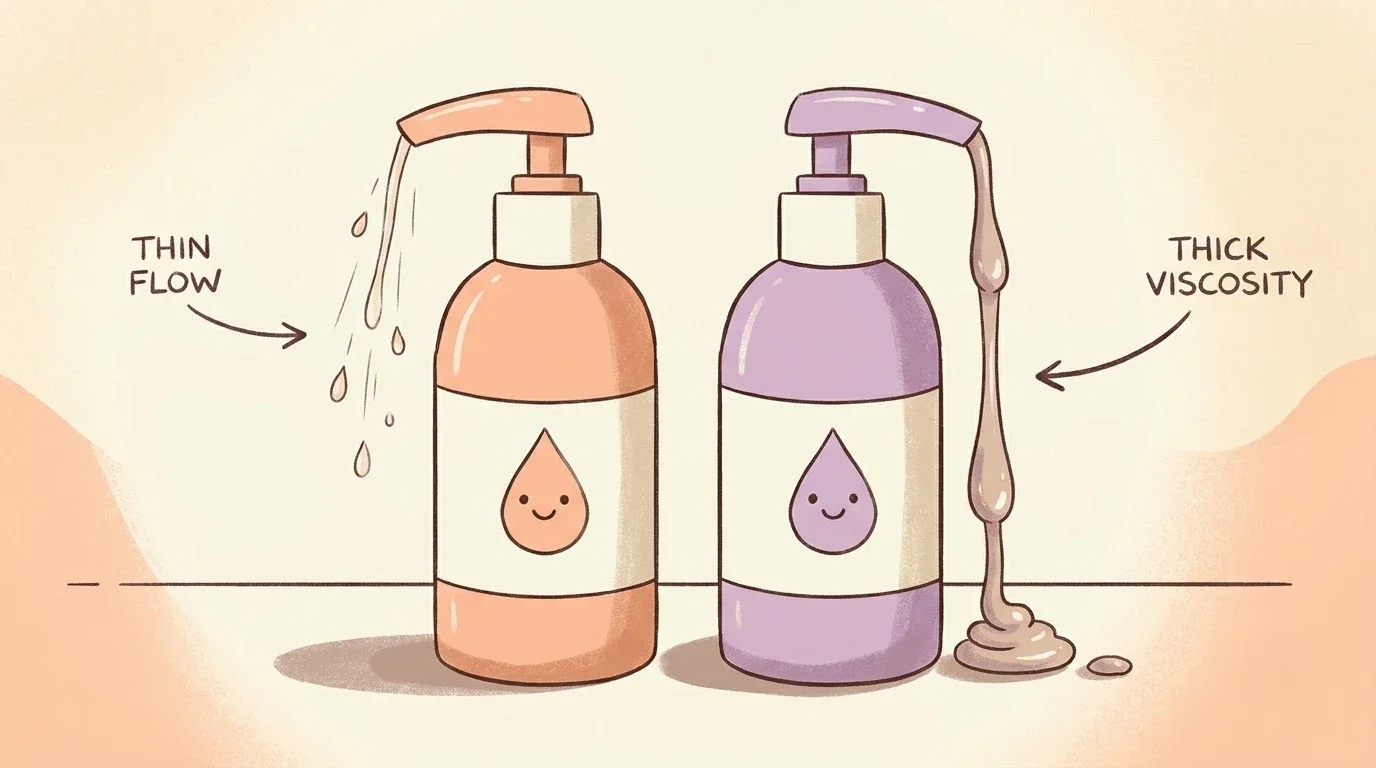
Because anal tissue produces no natural lubrication and absorbs moisture quickly, you need a lubricant with substantial body and longevity. For silicone anal plugs or probes, choose a thick, high-viscosity water-based anal gel or a cross-linked plant-cellulose formula (such as Sliquid Sassy or J-Lube). They provide the dense cushion of silicone without risking material breakdown.
How do I check if my existing lubricant contains hidden silicone?
Read the ingredients label on the back of the bottle. Look for chemical names ending in “-cone”, “-xane”, or “-conol”. The most common culprits include:
- Dimethicone
- Dimethiconol
- Cyclomethicone
- Cyclopentasiloxane
- Phenyl Trimethicone
If any of these words appear anywhere on the ingredient list, keep the bottle far away from your silicone toys.
Sources, Clinical Methodology & Editorial Disclosures
- ISO 3533:2021: International Organization for Standardization specification for non-porous elastomer integrity, tensile stability, and chemical safety in consumer intimate devices.
- British Association for Sexual Health and HIV (BASHH): Clinical guidelines regarding mucosal irritation, barrier hygiene, and intimate lubricant biocompatibility.
- International Society for Sexual Medicine (ISSM): Intimate device safety standards and mucosal health recommendations.
- Affiliate Disclosure: FlingZoe is an independent editorial publication. Some links on this page may generate an affiliate commission if you choose to purchase through them, at zero additional cost to you. We do not accept sponsored product placements or paid positive verdicts.
Quick check
What is the primary chemical reason why silicone-based lubricants damage and melt silicone sex toys?
Because 'like dissolves like': free siloxane fluid molecules in the lubricant penetrate and break down the cross-linked silicone elastomer matrix
Spot on! Silicone oil (dimethicone) shares the same chemical structure as the toy; the free liquid molecules diffuse into the solid rubber, causing irreversible swelling, pitting, and liquefaction.
Silicone lubricant contains acidic preservatives that eat through the outer silicone coating
Silicone lubricants are completely neutral and anhydrous (contain no water or acid); the damage is purely a polymer solvent reaction between identical chemical compounds.