On this page
The short answer
Yes, sex toys are completely safe when manufactured from non-porous, biocompatible materials (such as 100% platinum-cured silicone, borosilicate glass, or body-safe ABS plastic) and maintained with proper hygiene. Safety risks arise primarily from cheap unregulated novelty plastics containing toxic phthalate plasticizers, un-flared toys used anally, poor cleaning habits that allow bacterial biofilms to form, and using incompatible lubricants that degrade toy surfaces.
Checklist
- Verify material biocompatibility: demand 100% medical-grade silicone, borosilicate glass, or ABS plastic.
- Audit chemical safety: avoid products made from PVC, jelly rubber, or vinyl containing phthalates.
- Inspect mechanical safety: verify flared retrieval bases for all anorectal devices.
- Match lubricant chemistry: use water-based formulas to prevent silicone degradation.
- Implement hygienic sanitization: wash before and after every use with antibacterial soap or toy cleaner.
- Know when to seek care: recognize symptoms of micro-tears, allergic dermatitis, or retained objects.
If you are considering purchasing your first vibrator, dildo, or masturbation sleeve, it is entirely natural to wonder: are sex toys actually safe for your body?
The short, reassuring answer is yes—when chosen and used correctly. Modern intimate wellness products from reputable manufacturers are engineered with medical-grade biocompatible materials, rechargeable lithium batteries with built-in thermal cutoff circuits, and waterproof silicone seals designed for rigorous hygiene.
However, the adult novelty market has historically suffered from a lack of government oversight. Unlike medical devices, sex toys are frequently classified as “novelties,” allowing unverified knock-offs made from porous, toxic plastics to flood discount online marketplaces.
Understanding sex toy safety does not require a degree in chemistry. It comes down to four fundamental pillars: material purity, mechanical design, chemical compatibility, and hygiene.
Here is an objective, medically grounded guide to what every beginner needs to know before bringing a device into the bedroom.

1. The Regulatory Landscape: Why Material Purity Matters
To understand why some adult toys cost $15 while others cost $120, you must understand how they are regulated.
In many jurisdictions, adult products are not regulated as medical devices. Instead, they are sold as adult novelties. This legal classification means that until recently, manufacturers were not legally required to test materials for long-term biocompatibility or disclose chemical ingredients.
In 2021, the International Organization for Standardization published ISO 3533:2021 (“Sex toys: Design, material safety, and consumer information requirements”). This landmark standard established strict global guidelines regarding:
- Non-porous biocompatible materials in contact with human mucous membranes.
- Elimination of harmful ortho-phthalates and restricted heavy metals.
- Mechanical retrieval standards (mandatory flared bases for anal products).
- Battery safety, thermal management, and electrical insulation.
Reputable wellness brands (including LELO, Womanizer, Satisfyer, We-Vibe, and TENGA) voluntarily formulate and test their products in full compliance with ISO 3533, EU REACH chemical regulations, and RoHS electrical standards.
Conversely, unbranded $10 products sold on discount drop-shipping platforms frequently bypass these safety protocols entirely.
2. Materials: The Non-Porous vs Porous Divide
The single most critical safety distinction in sex toys is whether a material is non-porous or porous.
Mucous membranes lining the vagina and rectum are delicate, highly vascular single-cell tissues. They absorb chemicals readily and are susceptible to bacterial disruption.
Safe, Non-Porous Materials (The Gold Standard)
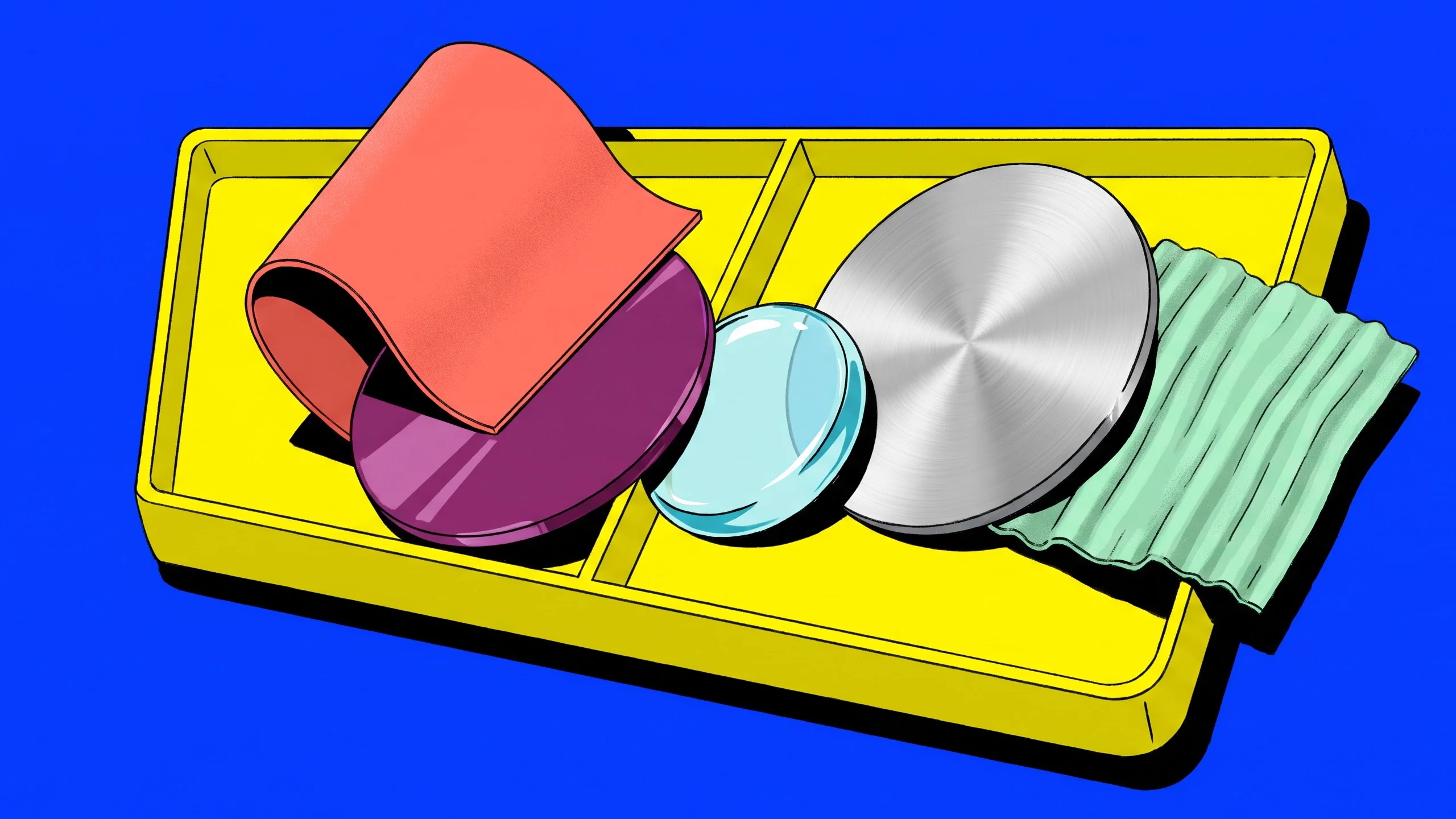
Non-porous materials have a completely smooth, continuous surface under microscopic inspection. They do not absorb moisture, fluids, or bacteria, and they can be thoroughly sanitized:
- Medical-Grade Platinum Silicone: The gold standard for flexible vibrators and dildos. Hypoallergenic, odorless, phthalate-free, and thermally stable.
- Borosilicate Glass: Completely non-porous, hypoallergenic, and ultra-smooth. Can be sterilized in boiling water or washed in a dishwasher.
- Surgical Stainless Steel (316L): Substantial weight, mirror-smooth finish, and 100% sterilizable. Completely body-safe.
- Body-Safe ABS Plastic: Rigid, durable plastic used for toy handles, internal skeletons, and bullet vibrator casings. Free of BPA and phthalates.
Hazardous, Porous Materials (Avoid Completely)
Porous materials contain millions of microscopic cavities. When fluids penetrate these microscopic pores, bacteria, yeasts, and viruses become trapped inside where soap and water cannot reach them:
- Jelly Rubber / CyberSkin / Soft Rubber: Often found in cheap gas-station novelties or discount dildos. These materials are heavily plasticized with phthalates (such as DEHP and DBP) to make rigid PVC flexible. Phthalates are known endocrine disruptors linked to reproductive toxicity.
- PVC / Vinyl: Rigid PVC requires chemical plasticizers to achieve pliability. These plasticizers leach out over time, creating a sticky, foul-smelling residue on the toy’s surface that burns sensitive mucous membranes.
3. The At-Home “Pinch & Sniff” Test
If you already own a silicone toy and are unsure whether it is pure medical silicone or an adulterated polymer blend, use these two simple tests:
- The Sniff Test: Pure medical-grade silicone is completely odorless. If you open a new product and it smells like a chemical swimming pool, gasoline, or strong industrial plastic, it contains volatile plasticizers and is not body-safe.
- The Pinch and Twist Test: Firmly pinch and twist a fold of the silicone material between your fingers.
- Pure Silicone: The color remains uniform and consistent throughout the fold.
- Cheap Adulterated Blend: If the folded crease turns chalky white, the manufacturer blended cheap plastic fillers or calcium carbonate into the compound to cut production costs. Discard the toy.
(For detailed material care protocols, see our guide to cleaning and storing silicone toys).
4. Mechanical Safety: Retrieval Bases & Motor Dynamics
Material purity is only half of the safety equation; mechanical design is equally vital.
The Mandatory Flared Base Rule for Anal Play
The rectum is a dynamic muscular cavity. Sphincter muscles naturally contract, and peristalsis pulls objects inward.
If an anal device does not have an unmistakable flared base or sturdy T-bar that remains outside the body, the sphincter will swallow the device completely. Never use standard dildos, bullet vibrators, or household items anally.
(For comprehensive anatomical criteria, read our master guide on how to choose a prostate massager safely).
Can Vibrators Cause Nerve Damage?
A common concern among beginners is whether strong vibrators can permanently numb or damage clitoral or penile nerves.
The clinical reality: Extensive studies published in the Journal of Sexual Medicine confirm that vibrators do not cause permanent nerve damage.
What users occasionally experience is temporary sensory habituation (neural saturation). When high-frequency vibrations stimulate Pacinian corpuscle receptors continuously for 20 to 30 minutes, the nervous system down-regulates sensitivity to prevent sensory overload.
This desensitization is completely reversible: taking a break for 15 to 30 minutes allows receptor sensitivity to return to normal baseline levels.
5. Chemical Compatibility: The Lubricant Rule
Using the wrong lubricant can destroy an expensive toy and cause chemical irritation.
- Silicone Toys + Silicone Lubricant = Surface Destruction: Silicone oil acts as a solvent against cured silicone. Applying silicone lube to a silicone toy causes the surface to dissolve, liquefy, and pit permanently. Once pitted, the material becomes porous and harbors bacteria.
- The Golden Rule: Always pair silicone sex toys with a high-viscosity, water-based lubricant.
- Avoid Irritating Additives: When choosing a water-based lubricant, avoid formulas containing parabens, artificial petrochemical fragrances, high concentrations of glycerin (which can trigger yeast infections), or warming/tingling additives (which can cause chemical dermatitis on sensitive tissue).
6. Hygiene, Sanitization & Storage Protocols
Maintaining proper hygiene ensures your toys remain safe for years of use:
- Wash Before First Use: Factory assembly lines, packaging dust, and shipping containers leave residues. Always wash a new toy with warm water and mild antibacterial soap before initial intimate contact.
- Wash Immediately After Use: Never leave a toy sitting on a nightstand coated in fluids. Clean it within ten minutes of use to prevent bacterial biofilms from forming.
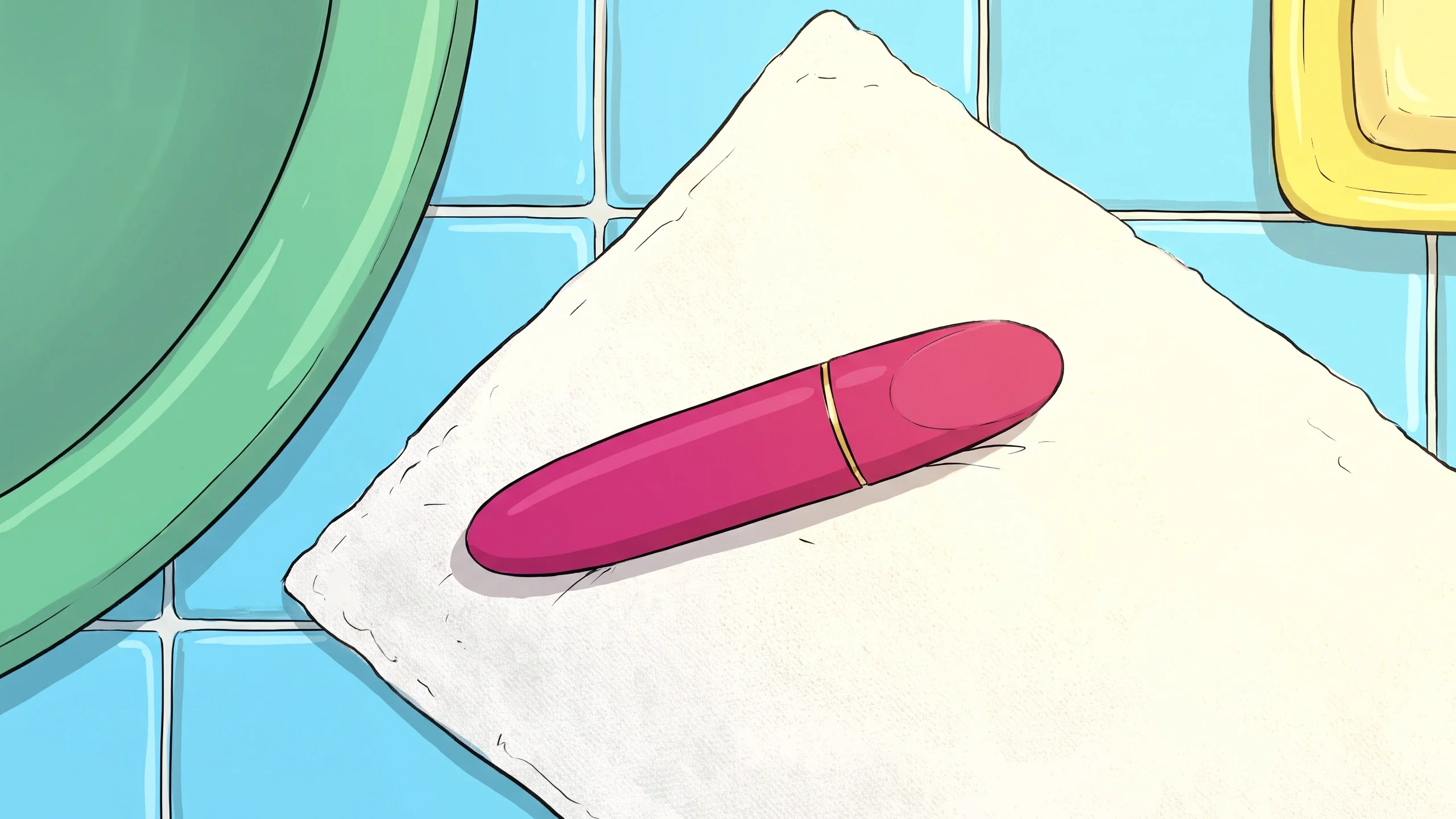
- Air-Dry Completely: Pat the exterior dry with a clean, lint-free microfiber towel, then let it air-dry completely on a clean surface. Storing damp toys inside closed containers creates a humid greenhouse for mold spores.
- Use Breathable Storage: Never store sex toys in airtight plastic ziplock bags. Keep them in individual breathable satin or cotton drawstring pouches.
- Never Store Toys Touching Each Other: If two silicone or TPE toys touch inside a drawer, plasticizer migration causes them to chemically fuse and melt together over time. Keep them separated.
7. When to Stop Use & Seek Medical Advice
While adverse reactions to body-safe toys are rare, you should stop using a device and consult a healthcare provider if you experience:
- Persistent Redness, Itching, or Swelling: Indicates contact dermatitis, an allergic reaction to a lubricant ingredient, or plasticizer irritation from a low-grade toy.
- Unusual Discharge or Foul Odor: Signs of bacterial vaginosis (BV) or a yeast infection, often triggered by porous materials or glycerin-heavy lubricants.
- Sharp Pain or Bleeding: Signals mucosal micro-tears caused by insufficient lubrication, excessive friction, or sudden forceful insertion. Allow tissue 7 to 14 days to heal fully before resuming activity.
- A Retained Anorectal Object: If an un-flared object slides past the anal sphincter, do not attempt to retrieve it using tweezers, kitchen utensils, or fingers. Blind probing can puncture the rectal wall. Go calmly to an Urgent Care center or Emergency Department, where medical staff can retrieve the object safely under visualization.
8. Summary: Beginner Safety Checklist
| Safety Pillar | What to Look For | What to Avoid |
|---|---|---|
| Material | 100% Platinum-cured medical silicone, borosilicate glass, ABS plastic | Jelly rubber, soft vinyl, PVC, unbranded porous compounds |
| Certifications | ISO 3533 compliant, CE / RoHS mark, EU REACH verified | Unbranded discount listings with no manufacturer details |
| Lubrication | Gentle, water-based lubricant formulated for intimate tissue | Silicone lube on silicone toys; household oils, vaseline, lotions |
| Anal Safety | Broad, rigid flared retrieval base or solid T-bar | Straight dildos, bullet vibrators, smooth handles without flares |
| Cleaning | Warm water + antibacterial soap or dedicated toy cleaner | Harsh bleach, alcohol wipes, acetone, or abrasive scrubbers |
| Storage | Individual breathable satin or cotton pouches | Airtight ziplock bags; leaving toys touching each other |
Quick check
What is the primary health hazard associated with cheap, unregulated 'jelly rubber' or vinyl sex toys?
They contain chemical plasticizers (phthalates) that leach into delicate mucous membranes and possess porous microscopic cavities that trap bacteria.
Correct. Porous materials like jelly rubber and cheap PVC cannot be sterilized, and their chemical plasticizers can leach into vaginal or rectal tissue, causing irritation or endocrine disruption.
They emit harmful electromagnetic radiation that permanently alters pelvic nerves.
Incorrect. The hazard is entirely chemical and microbiological: porous materials harboring bacteria and leaching phthalates.